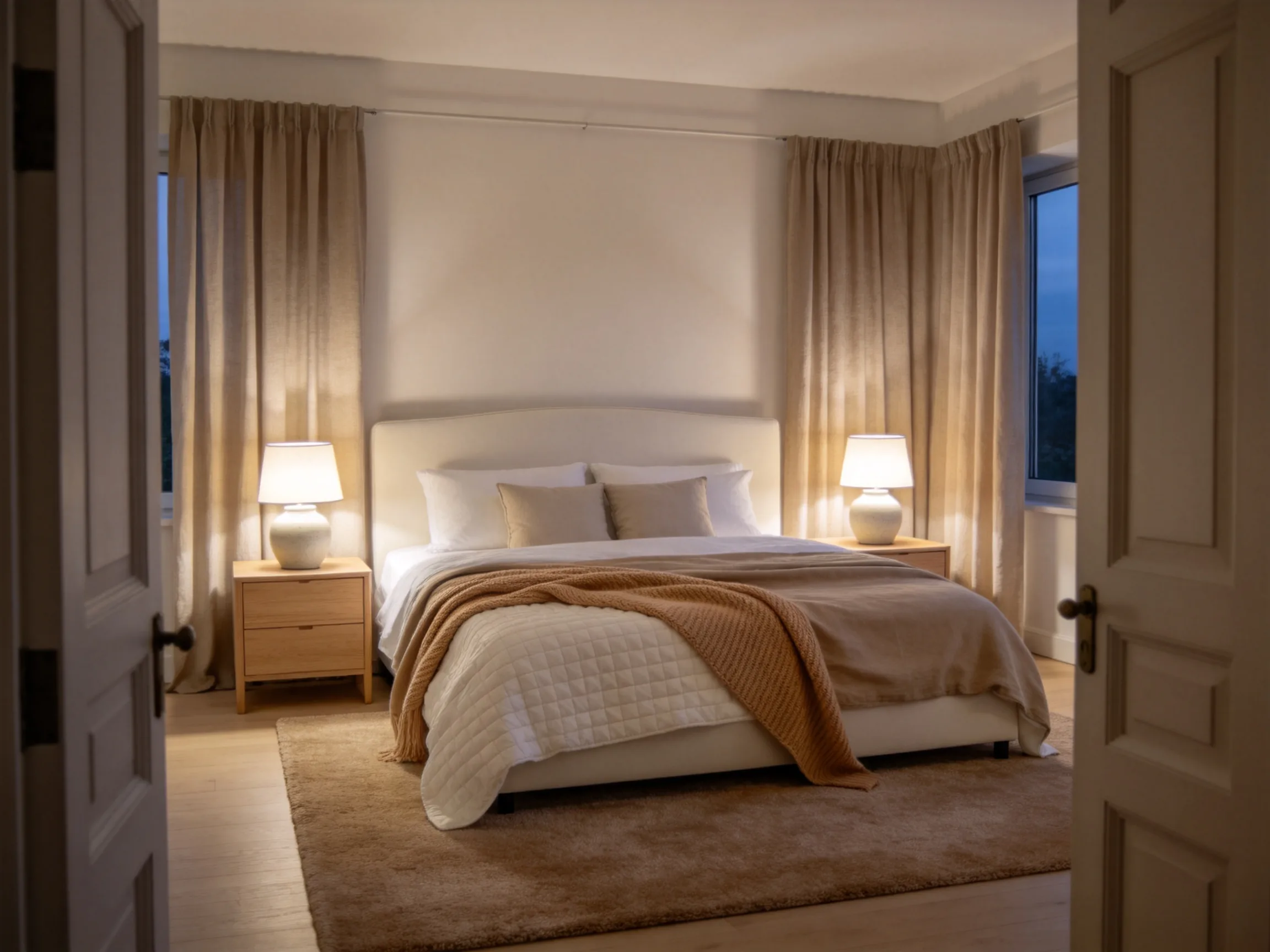
A cozy neutral bedroom feels inviting when soft colors are supported by warm pools of light and bedding with visible depth. Instead of relying on plain beige walls alone, combine tactile fabrics, practical bedside lighting, and carefully chosen layers in cream, taupe, oatmeal, camel, and warm gray. These ideas show how to create a restful room while keeping surfaces uncluttered, sightlines open, and the bed firmly established as the focal point.
1. Layer an Oatmeal Duvet Over Crisp Ivory Sheets
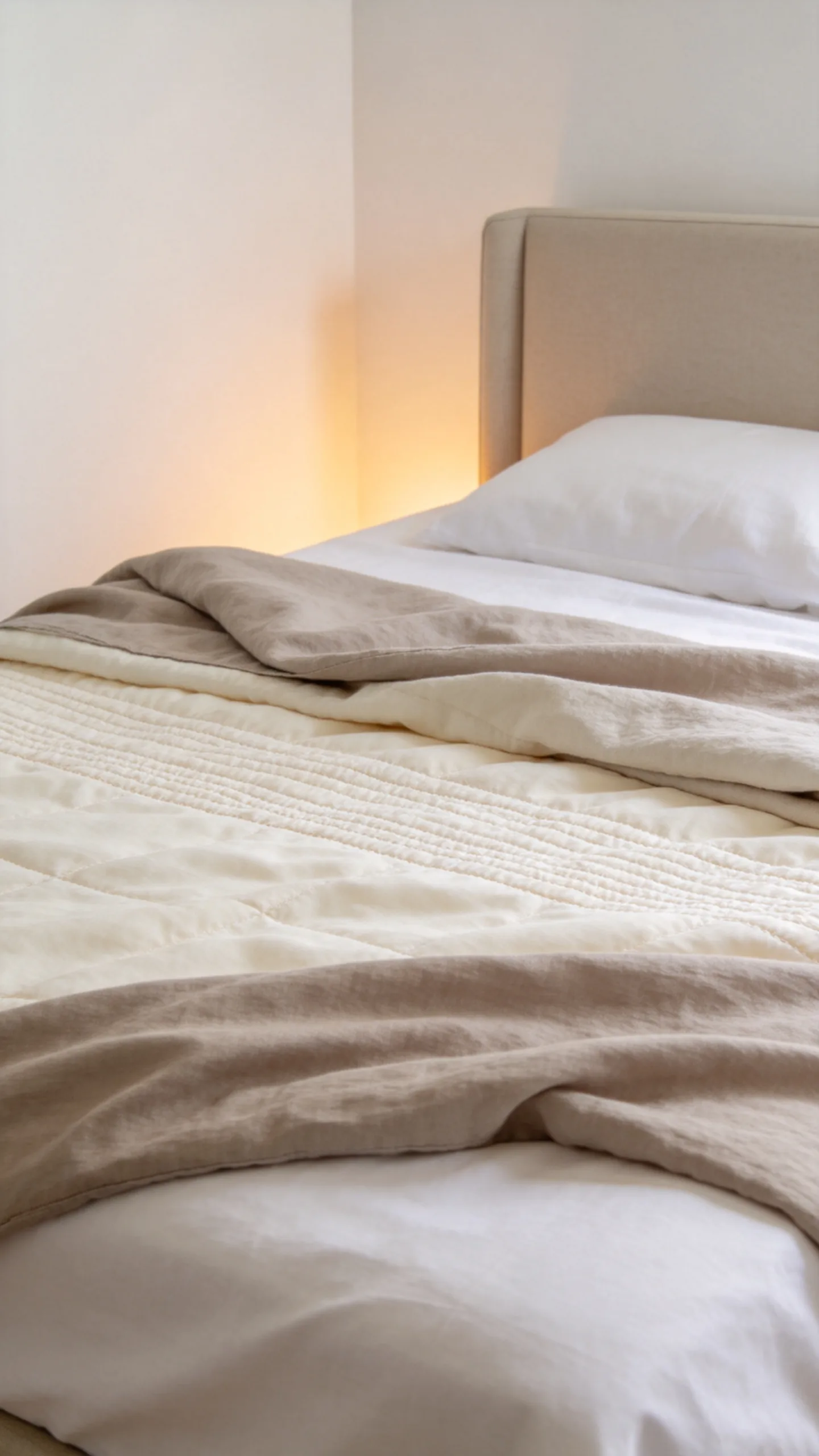
Start with ivory cotton or linen sheets, then add an oatmeal duvet cover that is slightly darker than the base layer. This gentle contrast keeps a neutral bed from looking flat while preserving a calm, cohesive palette. Fold the duvet back about one-third of the way to reveal the lighter sheets and give the bed a relaxed, inviting appearance.
For additional texture, place a lightweight cream quilt between the sheet and duvet. Its stitched surface will remain visible at the fold without adding excessive bulk. This combination works especially well against warm white, pale greige, or soft putty walls.
2. Install Warm Bedside Sconces Above Floating Nightstands
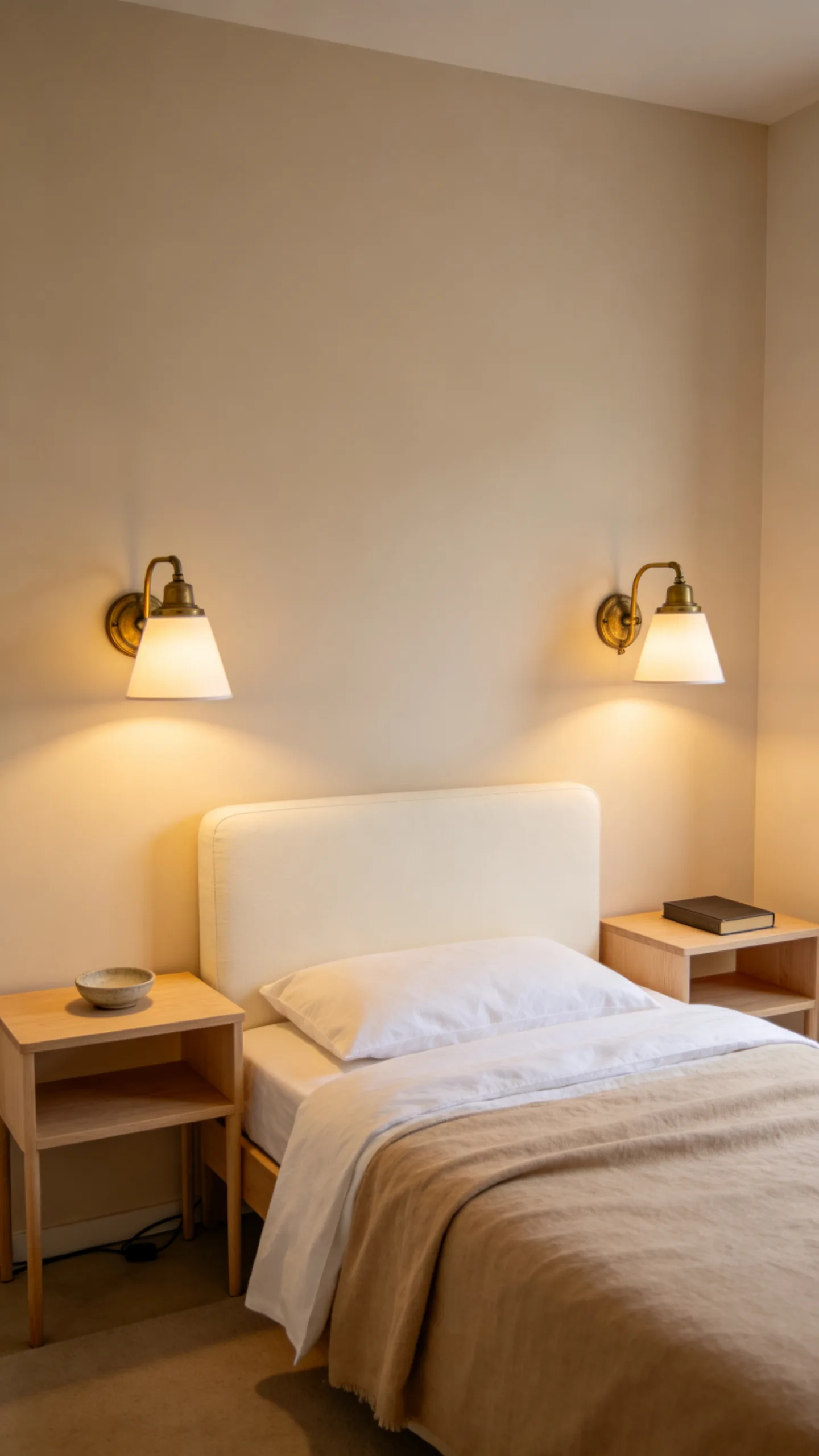
Wall-mounted sconces free up space on small nightstands and create focused pools of light around the bed. Choose fixtures in aged brass, bronze, or matte beige, and use warm-white bulbs in the 2200K to 2700K range. Position each sconce high enough for comfortable reading but low enough that the shade prevents glare.
Pair the lights with compact floating nightstands to preserve floor space and make a narrow bedroom feel less crowded. Concealed cords or paintable cord covers keep the wall tidy, while dimmer controls allow the same fixtures to provide reading light or a softer evening glow.
3. Add a Chunky Knit Throw at the Foot of the Bed
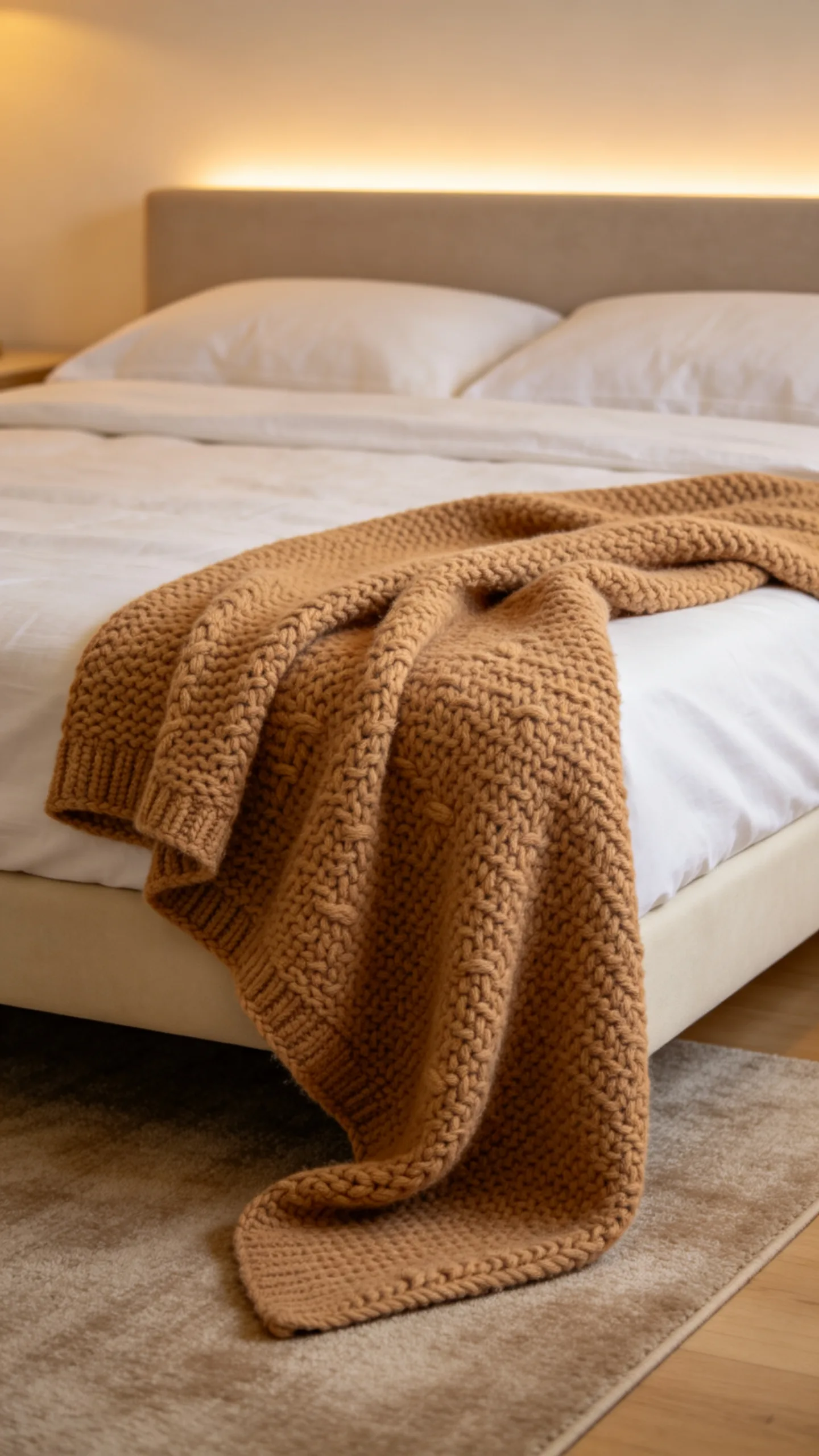
A chunky knit throw introduces visible texture without requiring more color. Select a warm neutral such as camel, mushroom, sand, or creamy beige, and drape it loosely across one corner of the mattress rather than spreading it perfectly flat. The irregular folds make a neatly made bed feel more approachable.
Keep the throw proportional to the room and bed size. A full-width blanket can overwhelm a compact bedroom, while a smaller throw adds softness without spilling into the walkway. Choose a washable knit or tightly woven boucle if the blanket will be used frequently.
4. Frame the Bed With Soft Linen Curtains
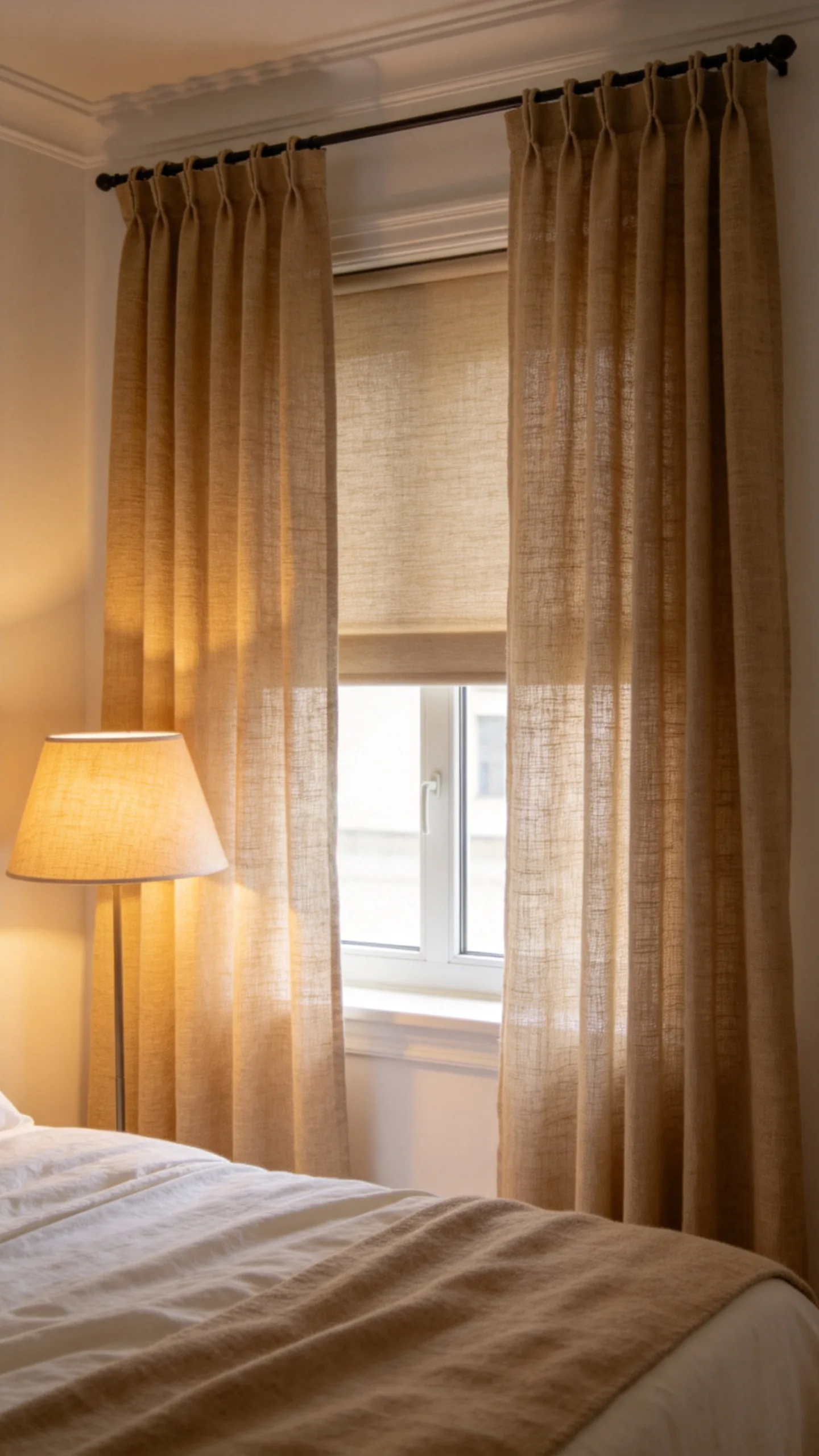
Hang natural linen or linen-look curtains from close to the ceiling to just above the floor. The full-height treatment draws the eye upward, softens hard window edges, and can make a low-ceiling bedroom appear taller. Warm white, flax, and pale taupe panels coordinate easily with layered neutral bedding.
For a gentle nighttime glow, place a warm LED bulb in a shaded lamp near the window. The light will filter across the curtain texture instead of reflecting harshly from the glass. If privacy is important, combine the decorative panels with a simple roller shade in a similar wall color.
5. Build a Tonal Pillow Arrangement in Cream and Taupe
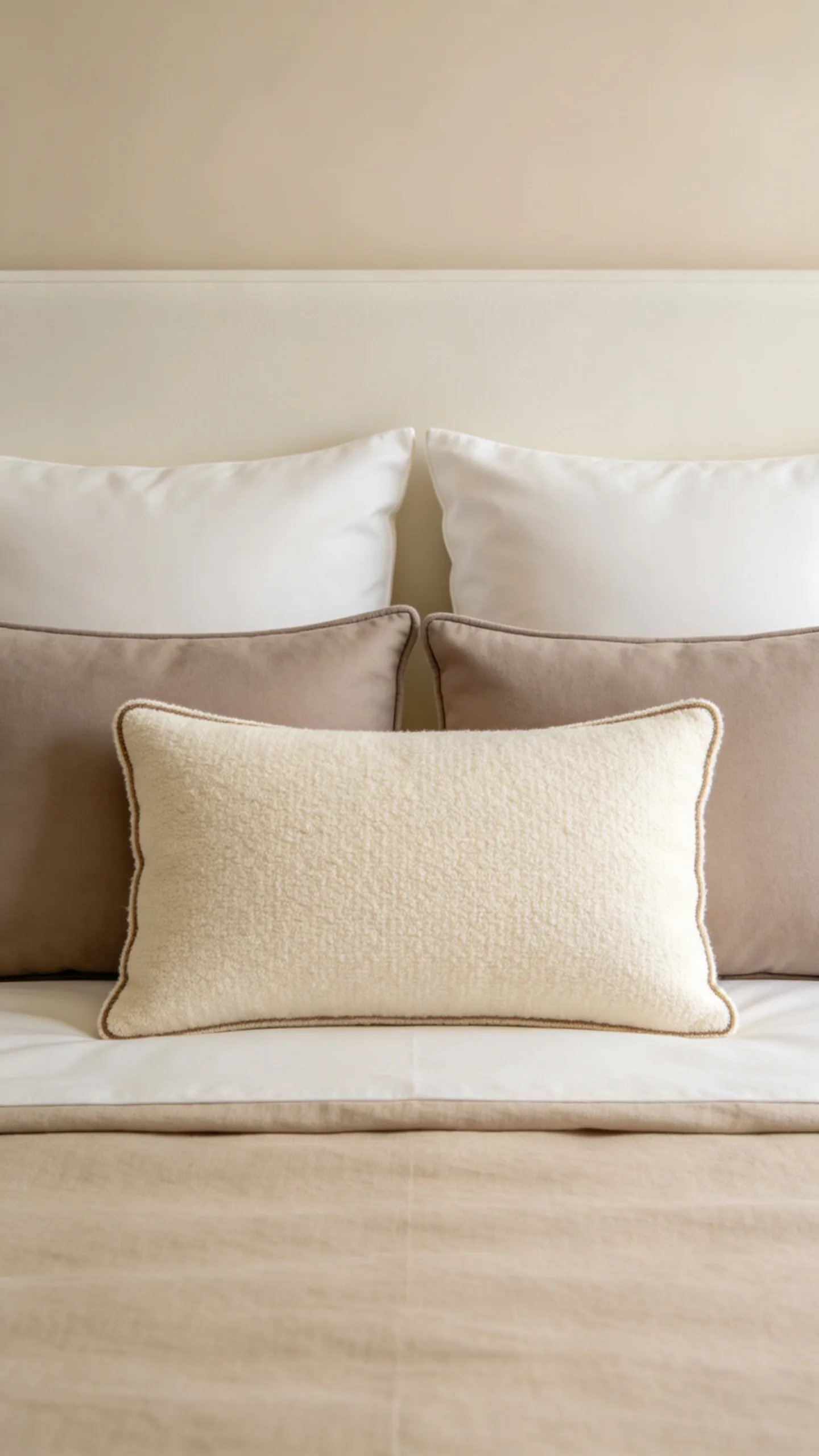
Create depth with pillows in several related tones rather than using a large collection of identical white cushions. Begin with sleeping pillows in ivory cases, add two or three taupe or greige Euro shams, and finish with one lumbar pillow in a textured fabric such as boucle, slub linen, or brushed cotton.
Limit the arrangement to layers that can be removed easily at bedtime. On a queen bed, two sleeping pillows, two Euro shams, and one lumbar cushion are usually enough to create a styled look without cluttering the room. Subtle piping or a narrow stripe can add definition while keeping the palette neutral.
6. Use Matching Ceramic Lamps for a Balanced Glow
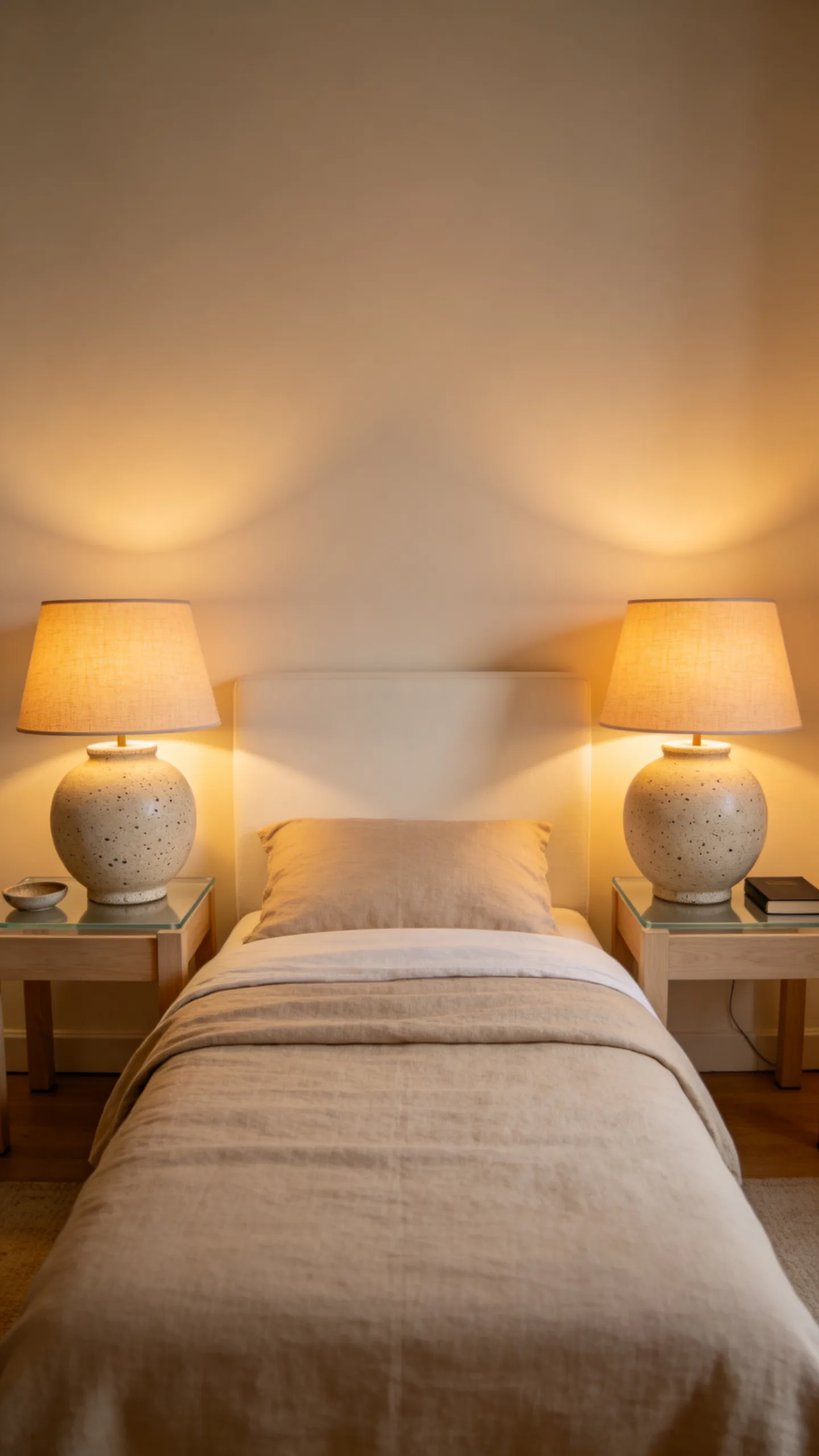
Matching ceramic lamps on either side of the bed create symmetry and spread warm light evenly across the headboard wall. Look for rounded bases in chalk white, stone, or speckled beige, then add linen shades that diffuse the bulbs instead of exposing them.
Choose lamps sized to the nightstands rather than oversized statement pieces that consume the entire surface. Ideally, the bottom of each shade should sit near shoulder level when you are seated in bed. Keep the remaining tabletop styling simple—a book, small dish, or water glass is enough.
7. Pair a Boucle Headboard With Smooth Cotton Bedding
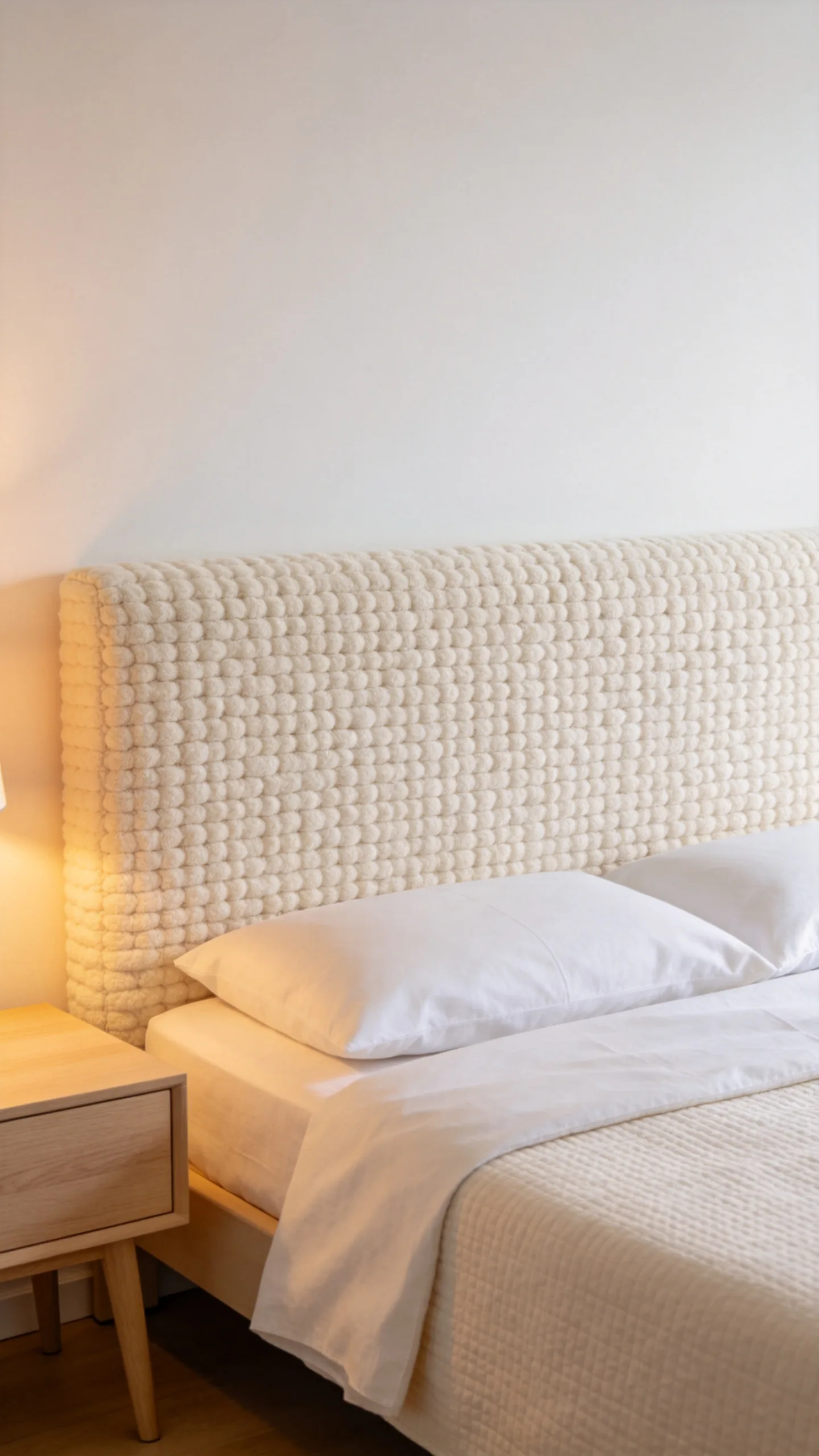
A cream boucle headboard supplies softness and texture at the room’s main focal point. Balance its nubby surface with smooth cotton percale sheets and a simple matelassé coverlet so the bed does not become visually heavy. Pale oak nightstands and warm white walls complete the understated combination.
Because boucle can collect dust, choose a headboard with tightly woven upholstery and vacuum it gently with a soft brush attachment. In a small bedroom, a low-profile headboard maintains open wall space while still giving the bedding a finished backdrop.
8. Tuck Hidden LED Lighting Behind the Headboard
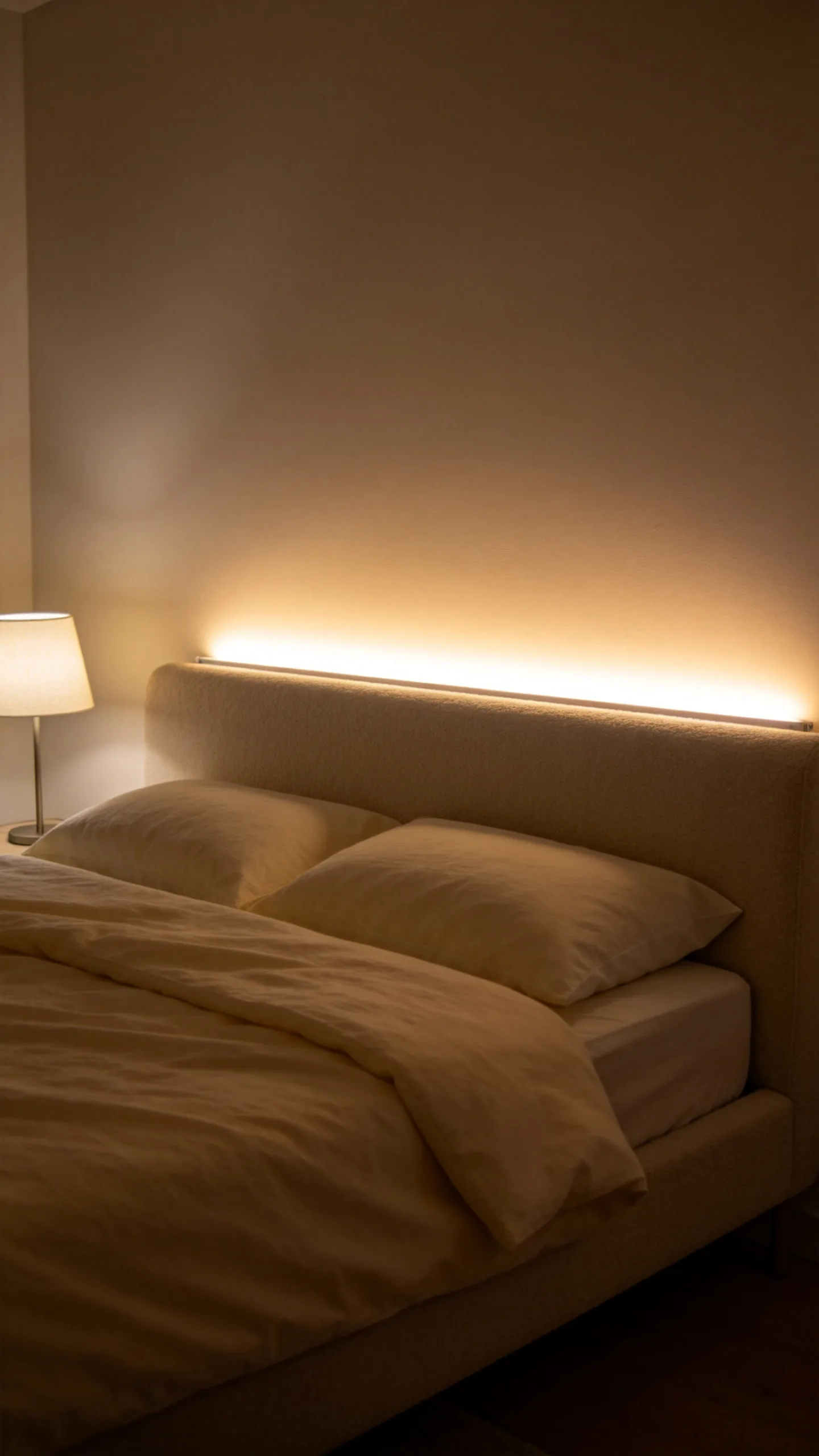
An LED strip installed behind a headboard can wash the wall with indirect light and create a cozy evening atmosphere. Select a warm-white, dimmable strip and position it so the individual diodes are not visible from the doorway or bed. The goal is a soft halo rather than a bright outline.
This technique works best against matte warm white, beige, or light taupe paint, which diffuses the light without glare. Use it as an accent alongside a reading lamp rather than as the room’s only light source. Conceal the power cable behind the nightstand or route it through a paintable cover.
9. Ground the Bed With a Large Warm Greige Rug
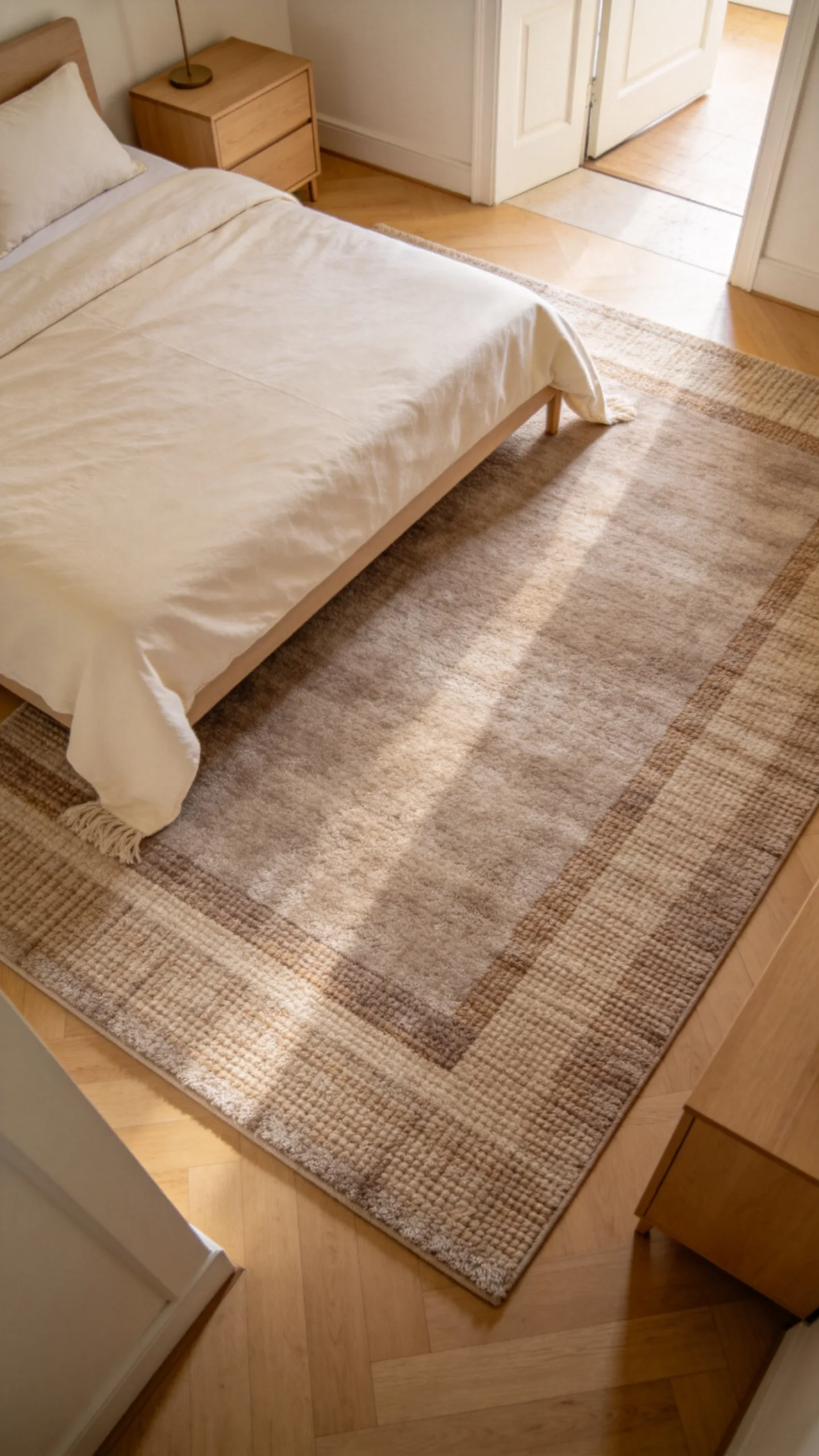
A large rug softens footsteps, absorbs sound, and visually anchors layered bedding. Choose warm greige, oatmeal, or faded taupe with a subtle woven pattern. For a queen bed, an 8-by-10-foot rug often allows enough material to extend beyond both sides and the foot, though room dimensions and door clearance should guide the final size.
Place the rug beneath the lower two-thirds of the bed if the nightstands sit close to the walls. This layout provides a soft landing where it matters without crowding the headboard area. A low or medium pile is easier to clean and less likely to interfere with bedroom traffic.
10. Combine a Linen Duvet With a Quilted Coverlet
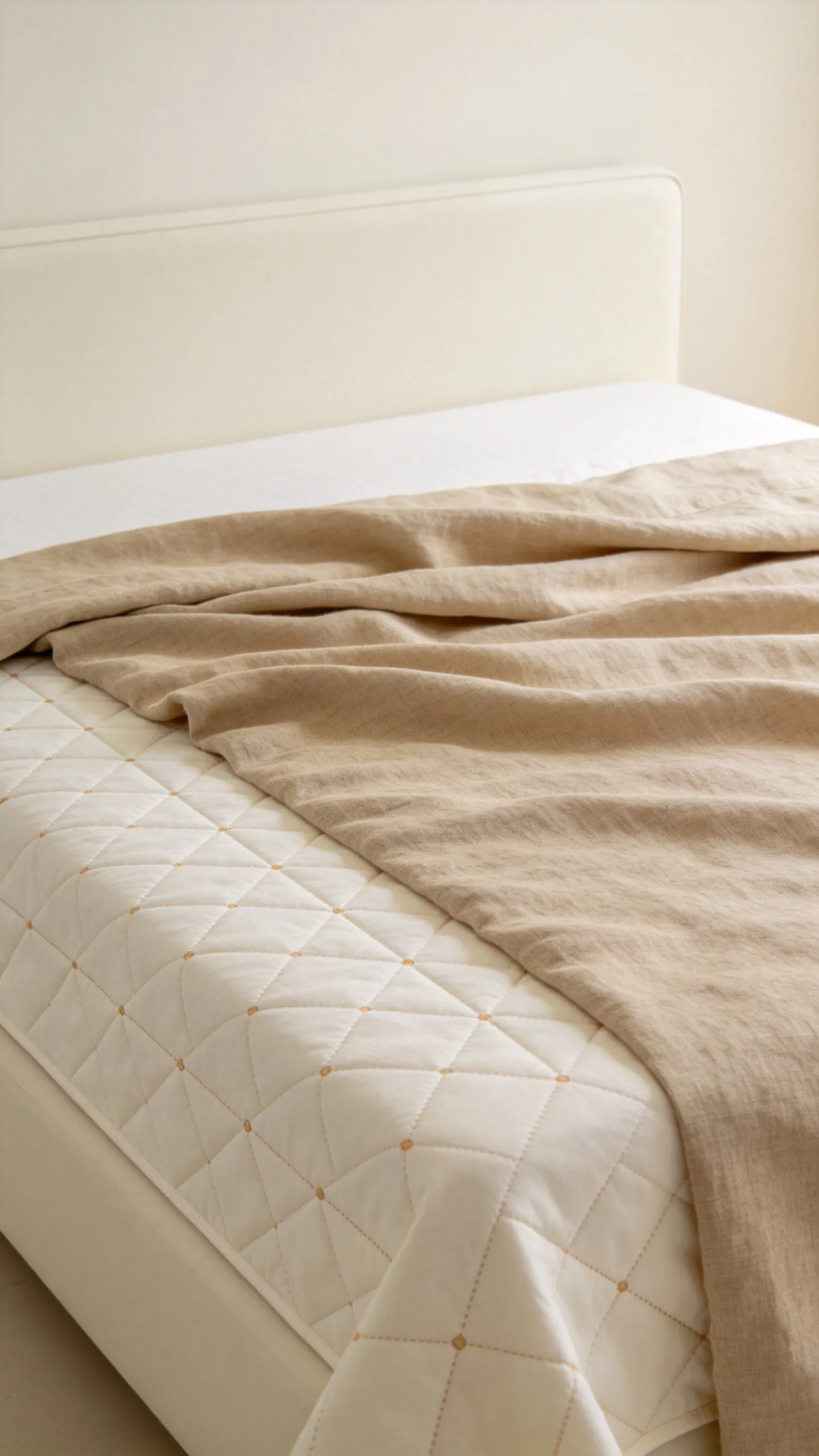
Layer a breathable linen duvet over a thin quilted coverlet to create both texture and flexibility. During colder months, pull both layers up for warmth; in warmer weather, fold the duvet toward the foot and sleep beneath the lighter coverlet. Keeping both pieces in related shades—such as flax and ivory—makes the transition look intentional.
Let the quilt’s stitching provide the pattern instead of introducing a bold print. Channel quilting, small diamonds, or simple squares add enough visual movement for a neutral room. Straighten the coverlet along the sides, then leave the linen duvet slightly relaxed on top.
11. Place a Small Amber Lamp on the Dresser
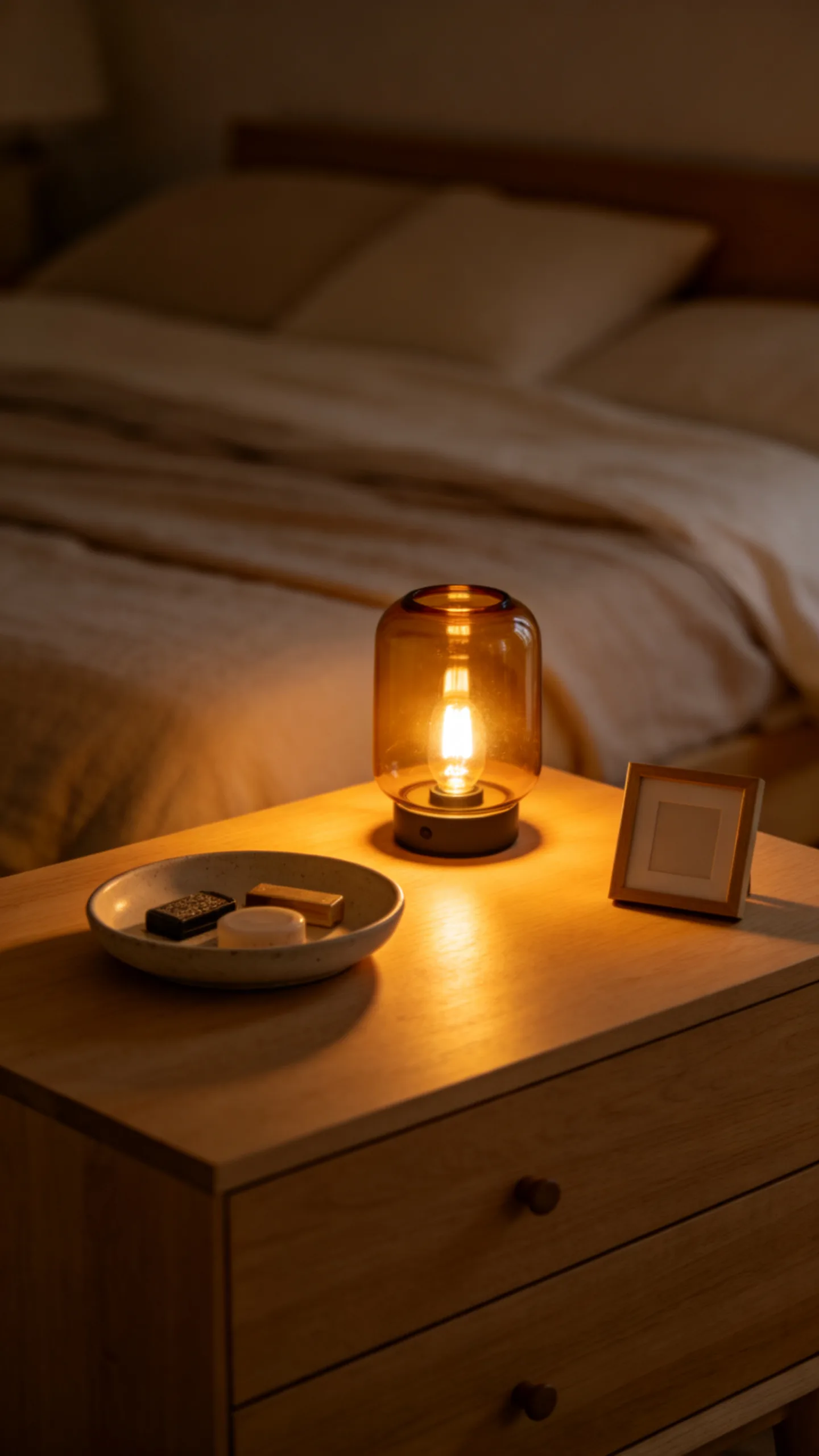
A compact lamp on the dresser creates a secondary pool of light away from the bed. Use an amber glass, aged brass, or dark ceramic base with a warm bulb to illuminate that side of the room without turning on a bright ceiling fixture. The lower light level is especially useful while winding down at night.
Keep the lamp toward one end of the dresser so the center remains available for daily items. A shallow tray can contain jewelry, fragrance, or hand cream, while a small framed print balances the opposite side. Avoid filling the entire surface, since visible space helps the bedroom feel calmer and larger.
12. Add a Camel Blanket to an All-Cream Bed
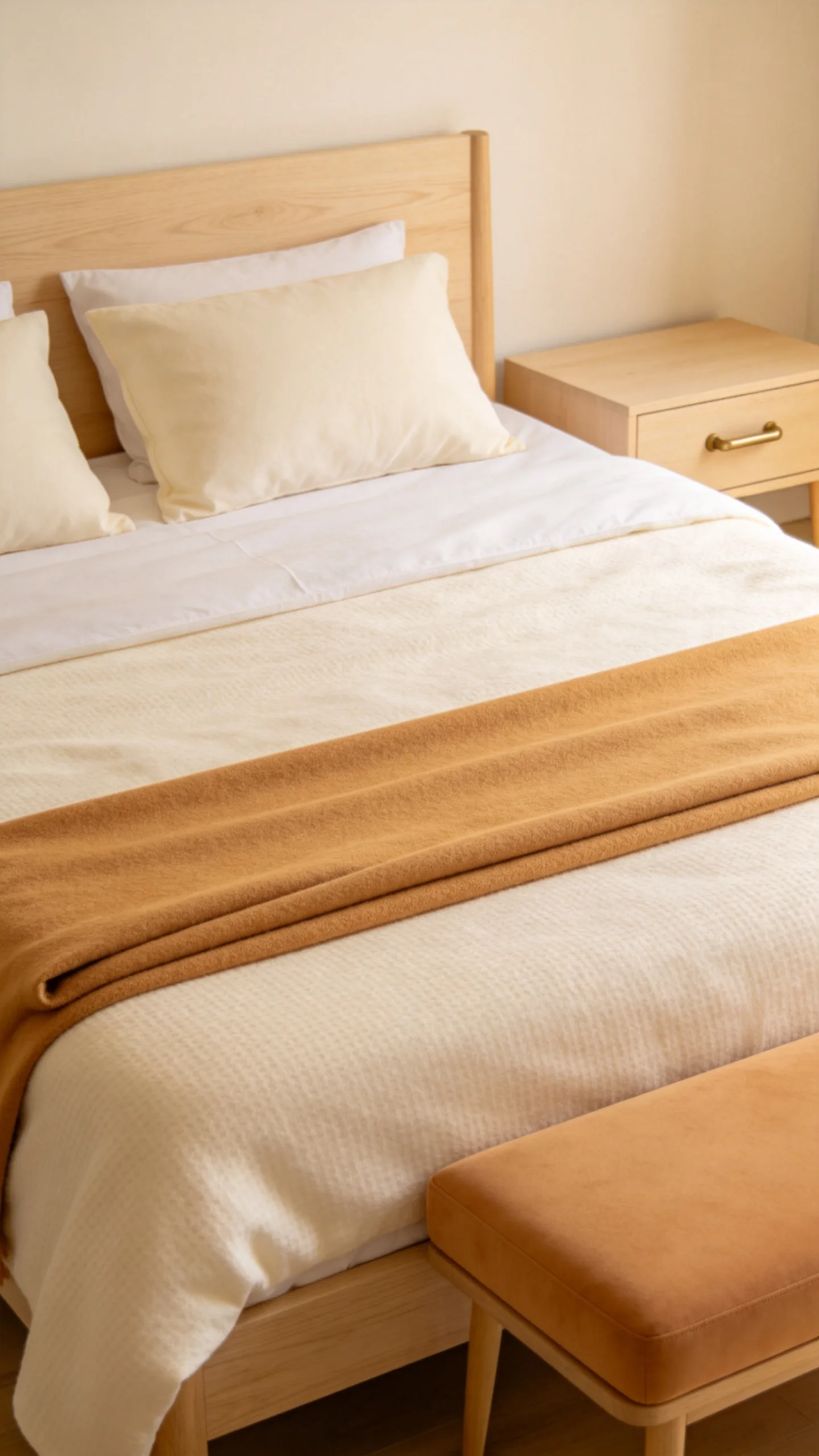
A single camel-colored blanket can warm up an all-cream bedding scheme without disrupting its neutral character. Fold it neatly across the lower third of the mattress to create a horizontal band that draws attention to the bed. Camel works particularly well with natural oak, walnut, brass, and woven storage baskets.
Repeat the color once elsewhere in the room, such as in a leather drawer pull, a small bench cushion, or a framed textile. One or two repetitions are enough to make the accent feel connected; too many brown accessories can make the palette look heavier than intended.
13. Choose a Pleated Pendant With a Soft Diffused Shade
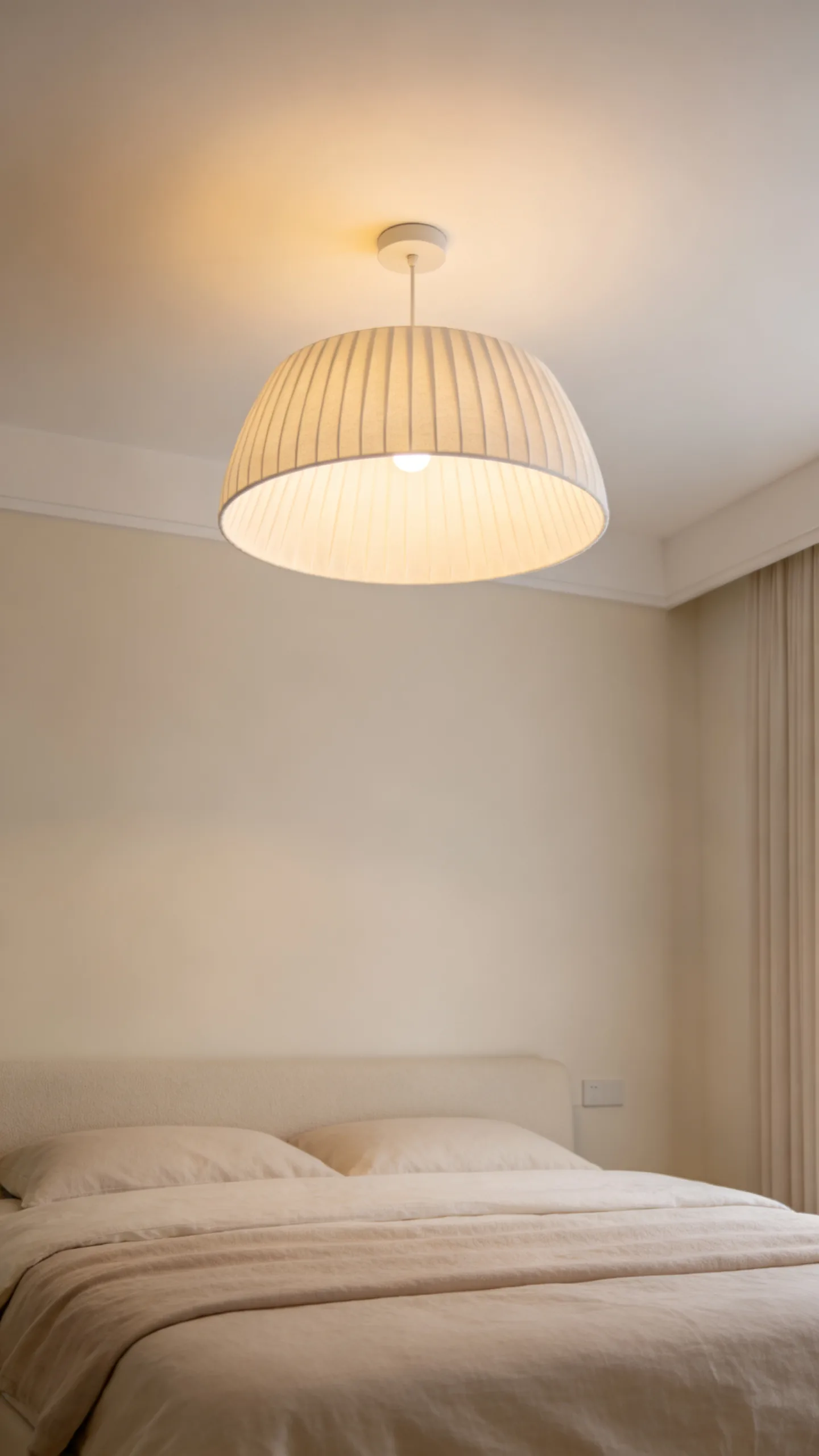
Replace a harsh exposed bulb with a pleated fabric, paper, or frosted-glass pendant that spreads light gently throughout the bedroom. A cream shade adds subtle texture overhead and supports the neutral palette even when the fixture is switched off. Use a warm, dimmable bulb so the ceiling light can shift from functional illumination to a relaxed evening setting.
Check the fixture’s scale and hanging height before installation. In a room with standard ceilings, a close-to-ceiling or semi-flush design usually preserves better sightlines than a long pendant. Center it in the room rather than directly over the bed unless the layout and ceiling height safely support that placement.
14. Style a Low Bench With a Folded Neutral Quilt
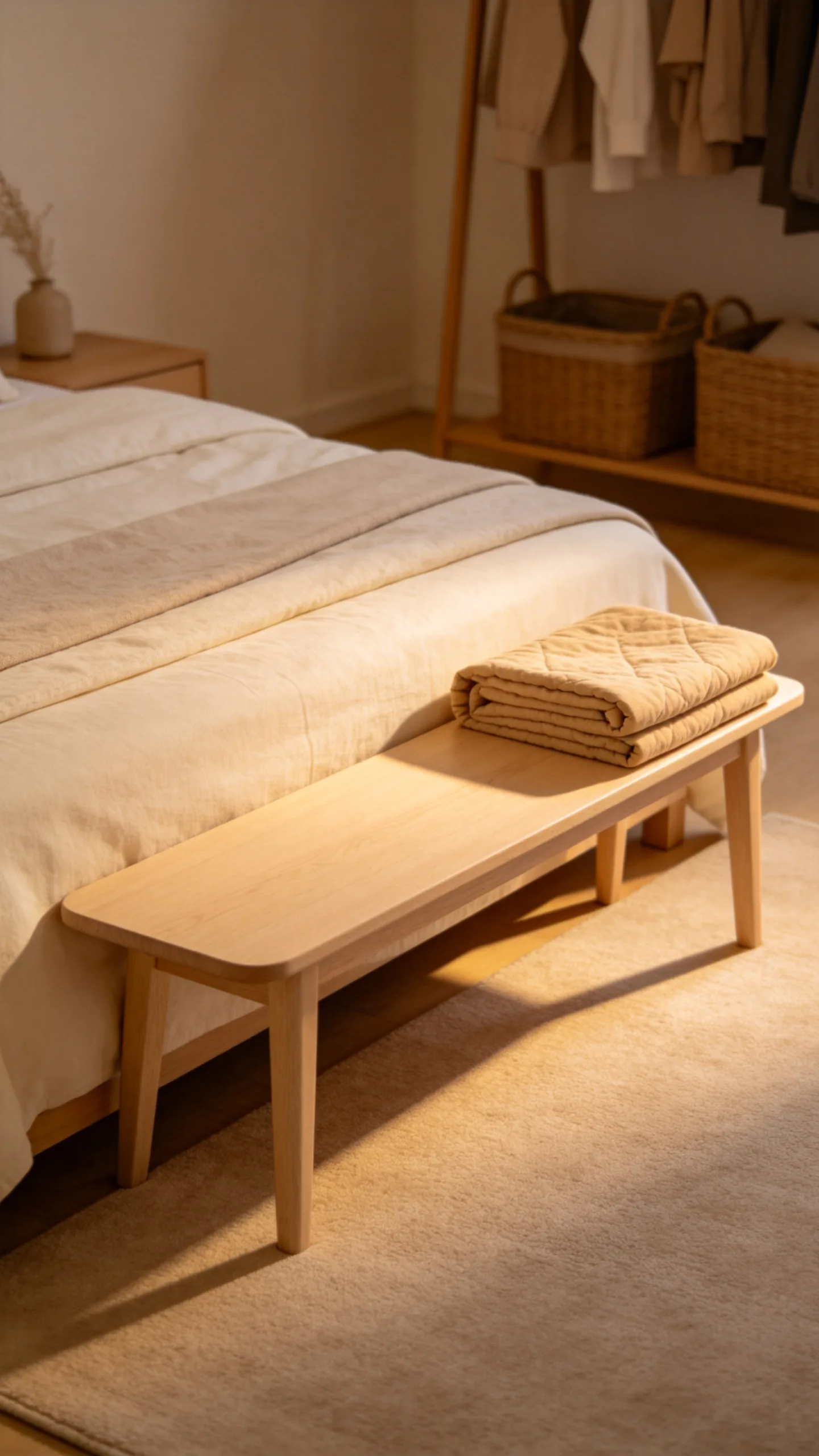
Place a slim upholstered or wood bench at the foot of the bed, leaving enough clearance for the main walkway. A folded cream, sand, or taupe quilt adds softness and provides a convenient extra layer for cold nights. The bench can also serve as a spot for putting on shoes without turning into a bulky storage obstacle.
Choose a bench that is narrower than the mattress and visually light, with open legs or a shallow frame. In a very small room, substitute a compact stool positioned near one corner. Keep the surface mostly clear so it does not become a landing place for clothing.
15. Paint the Walls a Warm Putty Neutral
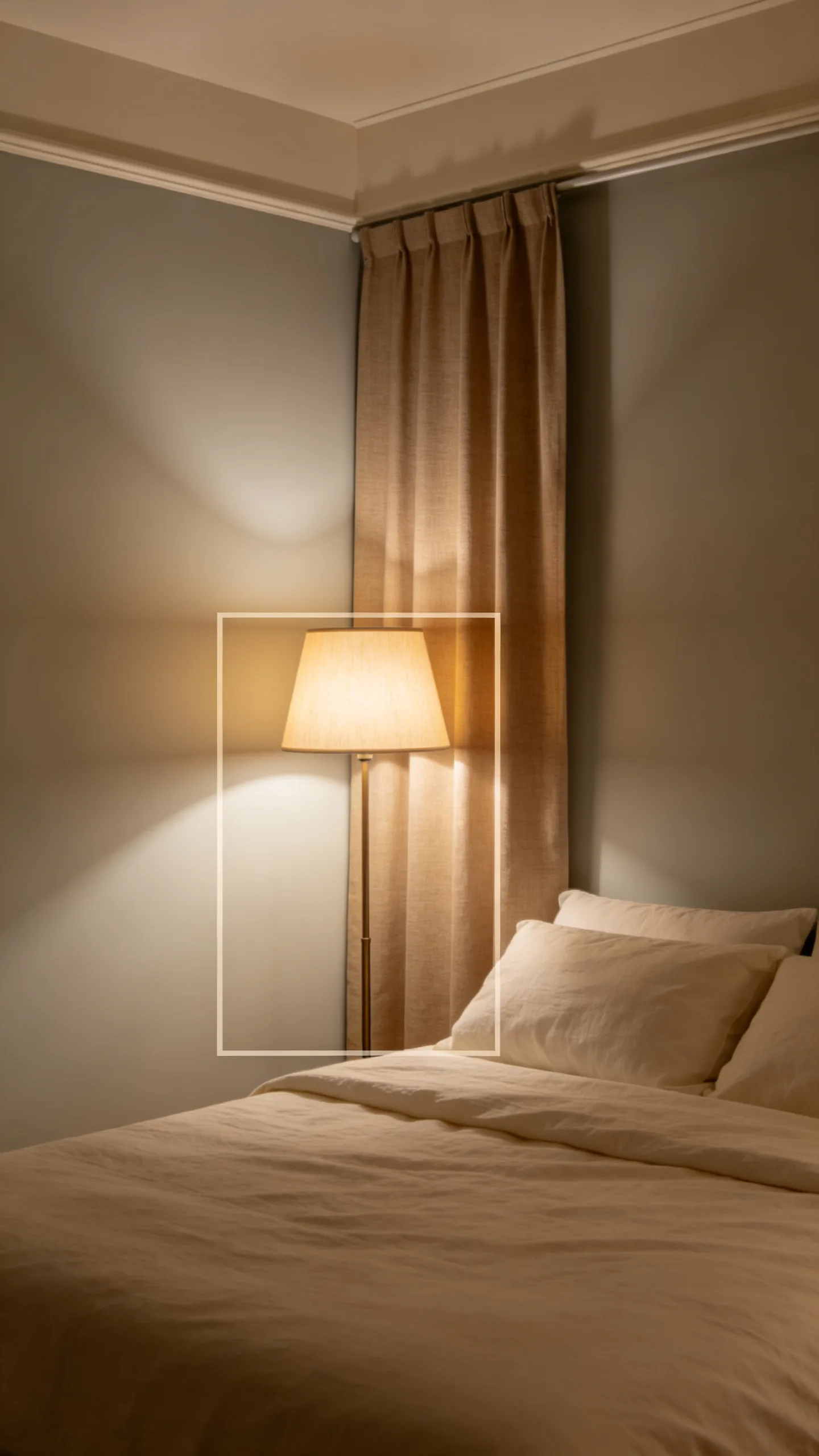
Warm putty paint gives cream bedding more definition than stark white while remaining light enough for a compact bedroom. Look for a beige-gray shade with soft brown undertones, and test it beside the flooring and curtains at different times of day. Warm bulbs can intensify yellow undertones, so large sample swatches are important.
Use the same color on walls and trim for a softly enveloping effect, or keep the trim one shade lighter for gentle contrast. Matte or eggshell walls diffuse lamp light more evenly than glossy paint, helping the room maintain a restful appearance after dark.
16. Mix Matte Brass Lighting With Pale Wood Furniture
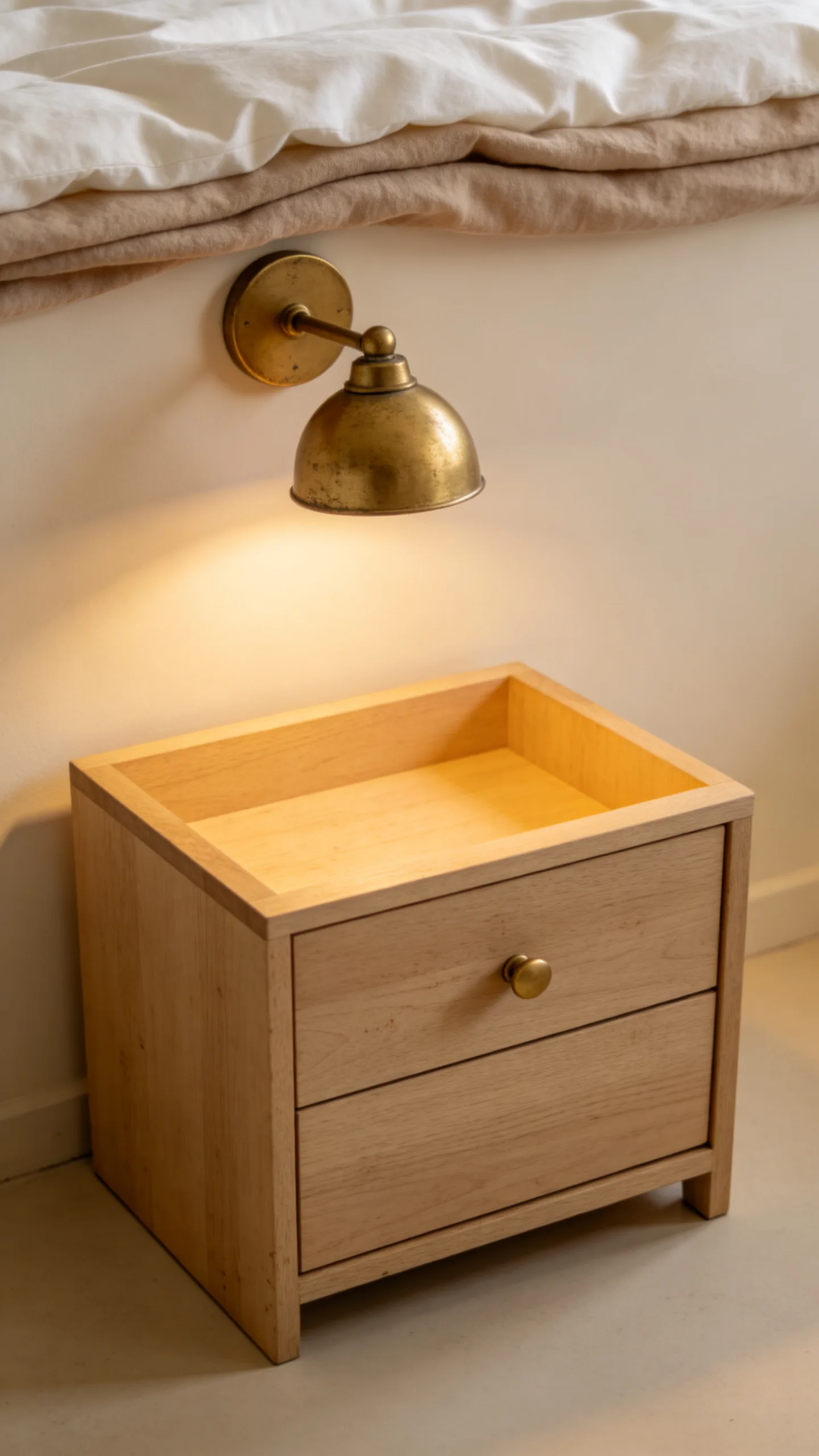
Matte brass sconces or lamp bases bring warmth to pale oak, ash, or whitewashed wood furniture. The metal adds a controlled point of contrast, while the wood keeps the bedroom grounded and natural. Repeat the brass sparingly through a picture frame or drawer pull rather than matching every accessory.
Choose nightstands with simple silhouettes and closed drawers to hide charging cables, books, and small personal items. Clear floors and uncluttered surfaces protect traffic flow, particularly when the room has limited space on either side of the bed.
17. Create a Reading Corner With a Floor Lamp and Blanket
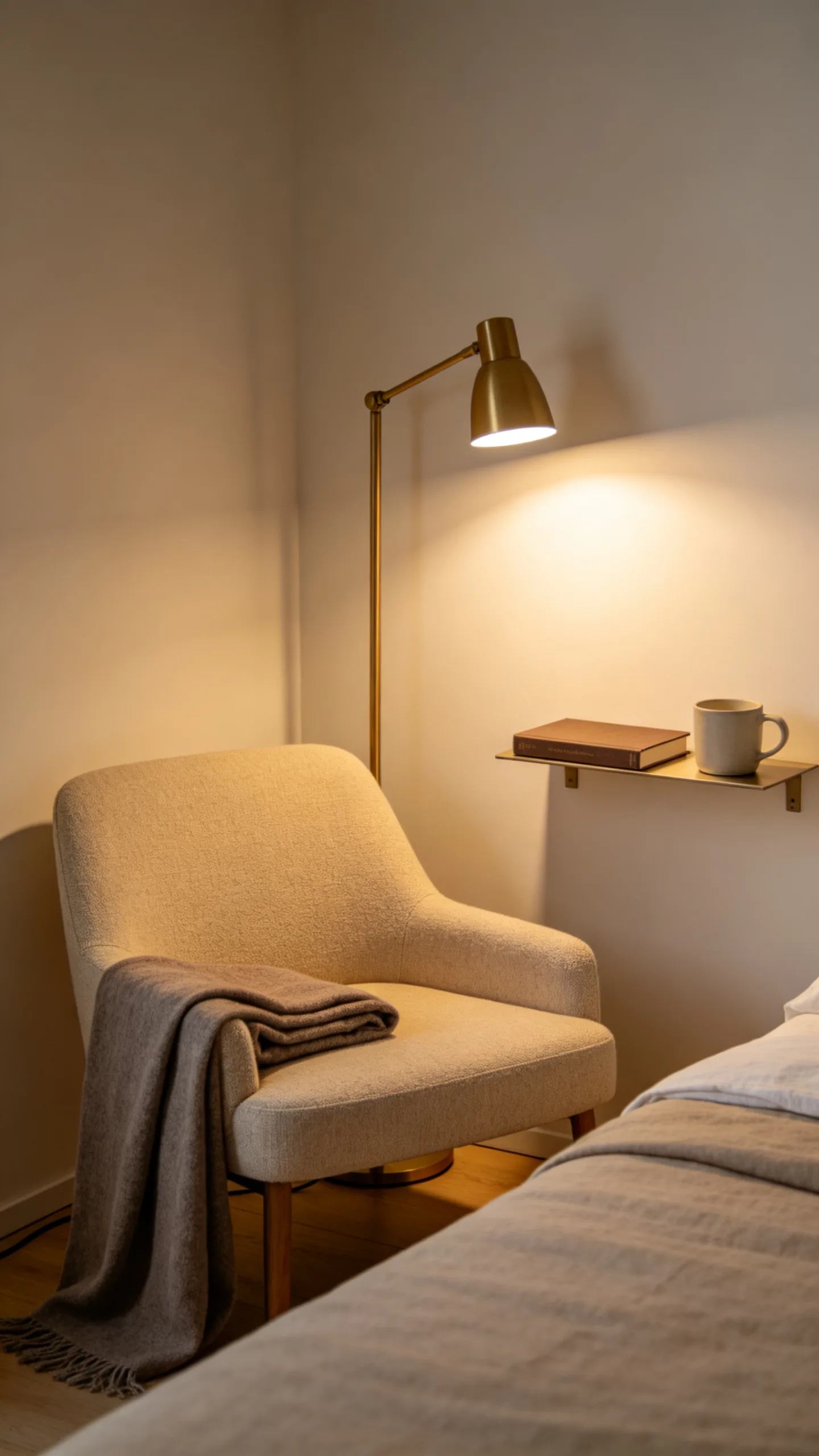
If an unused corner can accommodate a small chair, turn it into a practical reading spot with a narrow floor lamp and a folded neutral blanket. Select a chair in oatmeal linen, warm gray upholstery, or light tan leather, then angle it slightly toward the bed to keep the layout connected.
A floor lamp with an adjustable shade provides task lighting without requiring another table. Keep the lamp base tucked close to the chair and route the cord along the wall to avoid obstructing the walkway. A small wall-mounted shelf can hold a book and mug when floor space is limited.
18. Finish With Dimmer Controls and Three Lighting Levels
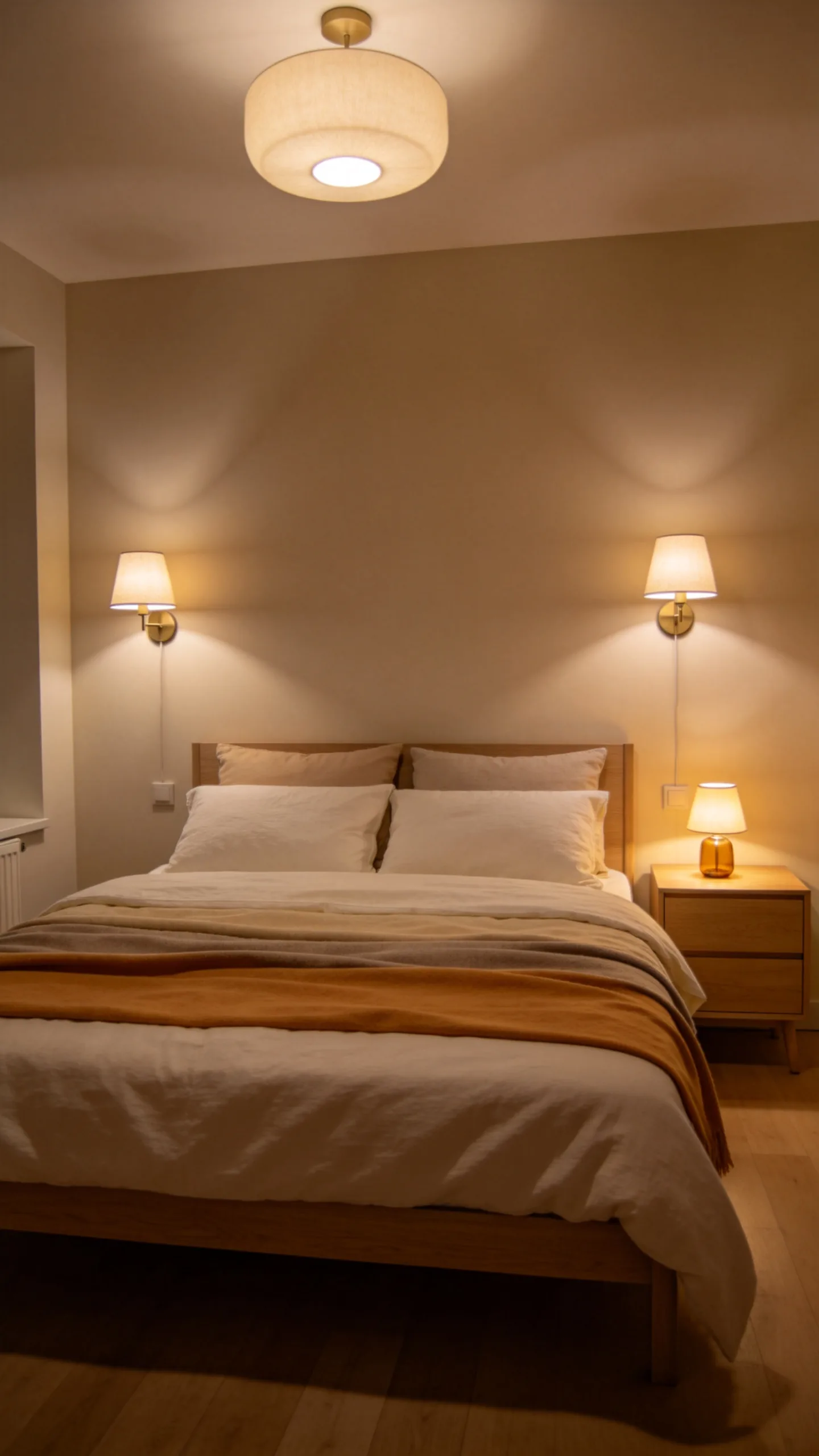
A cozy neutral bedroom benefits from several light sources rather than one powerful ceiling fixture. Combine ambient lighting from a pendant or flush mount, task lighting from bedside sconces, and accent lighting from a dresser lamp or concealed LED strip. This layered plan allows the room to remain functional without losing its soft atmosphere.
Install compatible dimmers where possible and use bulbs with the same warm color temperature for a consistent glow. In the evening, lower the overhead light first, then rely on bedside and accent lamps to highlight the bedding, headboard, and wall texture. The result is a comfortable progression from a bright daytime room to a restful nighttime retreat.

From the editors
Decor Compass Editorial Team
We turn practical home research into clear, useful room-by-room ideas.