A stylish living room does not require permanent renovations or an expensive furniture haul. These renter-friendly apartment living room ideas use removable finishes, flexible storage, secondhand pieces, and small-scale decor to improve the room without risking a security deposit. Whether you are working with blank white walls, limited floor space, or an awkward layout, each idea offers an affordable way to add color, function, and personality.
1. Create an Accent Wall With Removable Wallpaper
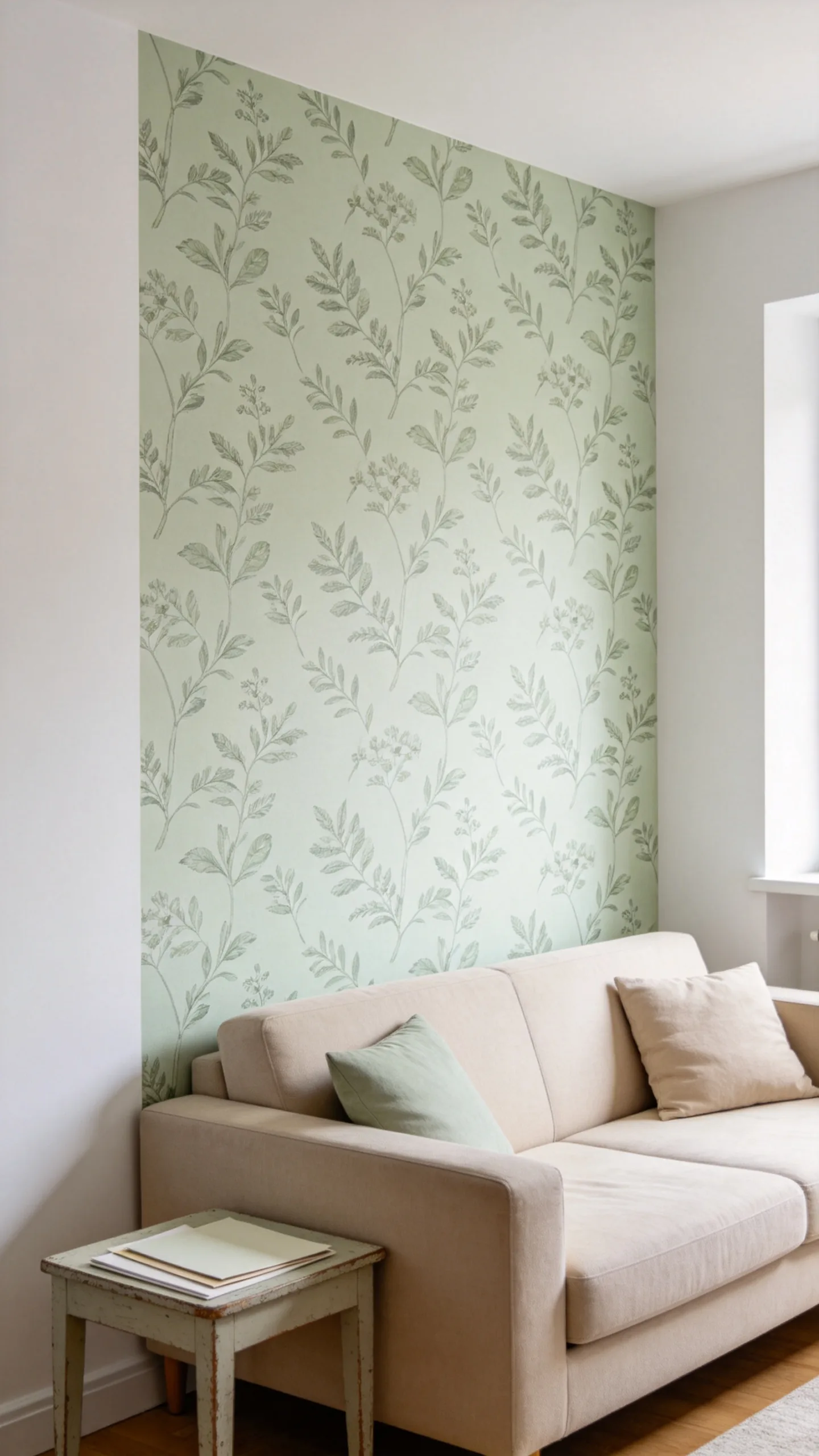
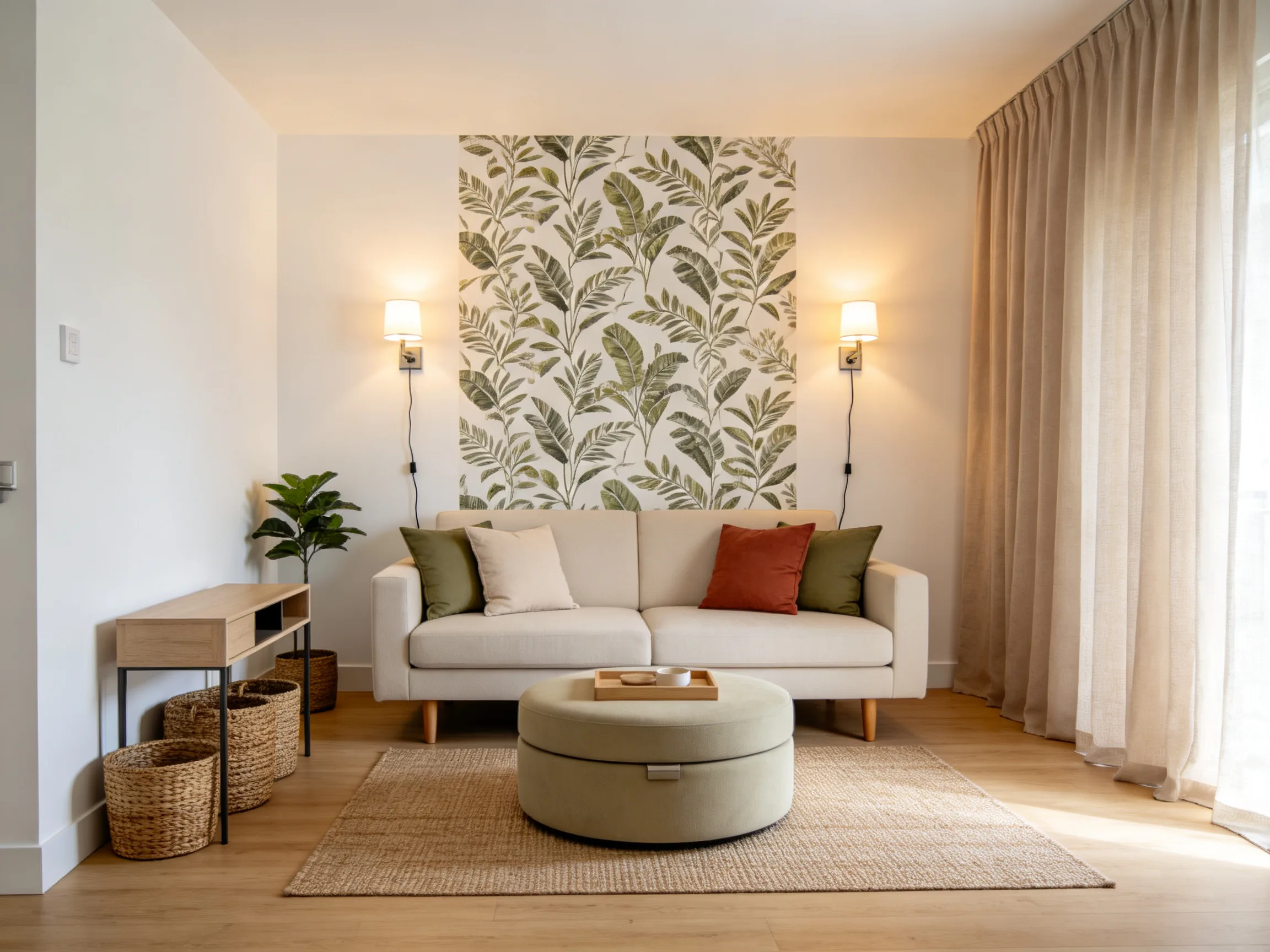
Use peel-and-stick wallpaper to turn the wall behind the sofa into a focal point without painting or making permanent changes. A subtle linen texture, narrow stripe, or small botanical print can add depth while remaining easy to coordinate with existing furniture.
Order samples before covering the entire wall, since colors can look different under apartment lighting. Apply the paper to a clean, smooth surface and follow the manufacturer’s removal guidance. In a small living room, a low-contrast pattern keeps the accent wall from visually closing in the space.
2. Frame the Sofa With Plug-In Wall Sconces
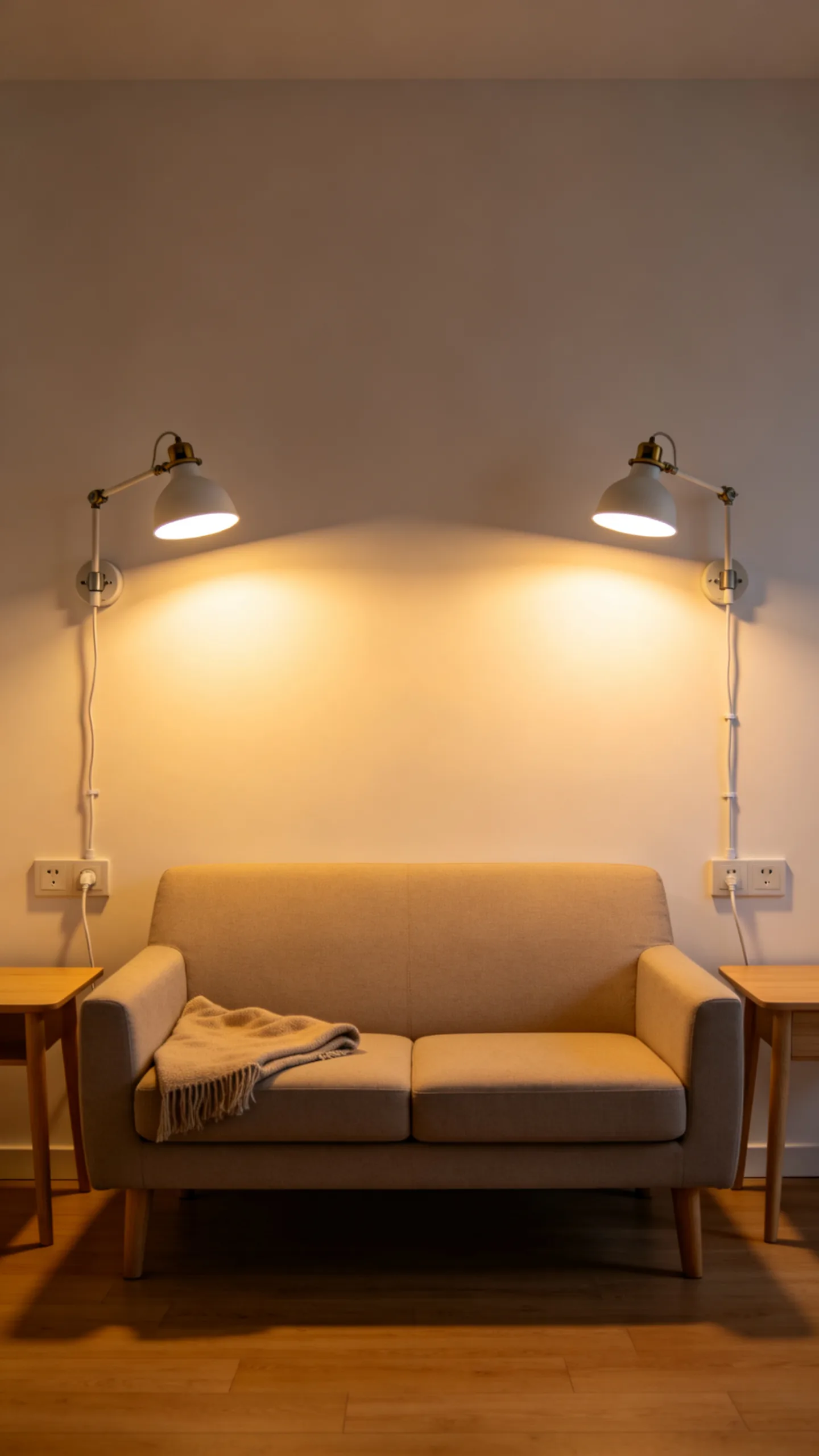
Plug-in sconces provide layered lighting without requiring an electrician. Position one on each side of the sofa or mount a single adjustable sconce above a reading chair. Paintable cord covers can help the visible wires blend into the wall while remaining removable.
Choose sconces with warm LED bulbs in the 2700K to 3000K range for a comfortable evening glow. Swing-arm designs are especially useful in compact apartments because they free up side-table space that would otherwise be occupied by lamps.
3. Define the Seating Area With a Properly Sized Rug
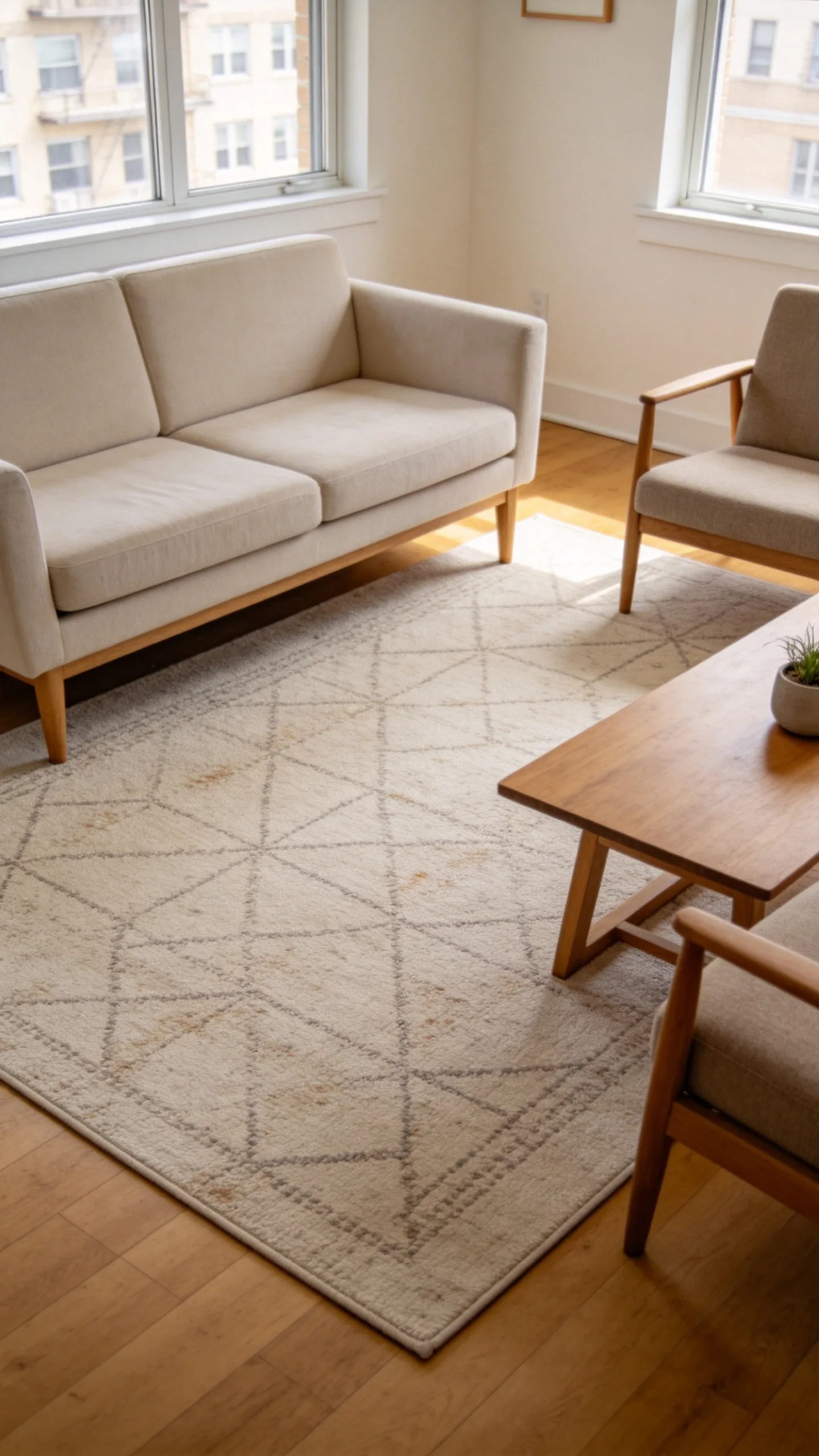
A rug can make an open or undersized apartment living room feel intentional. Select a size large enough for at least the front legs of the sofa and chairs to rest on it; an 8-by-10-foot rug often works better than a small floating rug in a standard seating area.
For a lower price, look for flat-weave cotton, indoor-outdoor, or secondhand wool rugs. A light neutral base can widen the visual field, while a patterned surface helps disguise everyday wear. Add a thin non-slip rug pad to prevent shifting without attaching anything to the floor.
4. Hang Curtains Higher to Make the Ceiling Look Taller
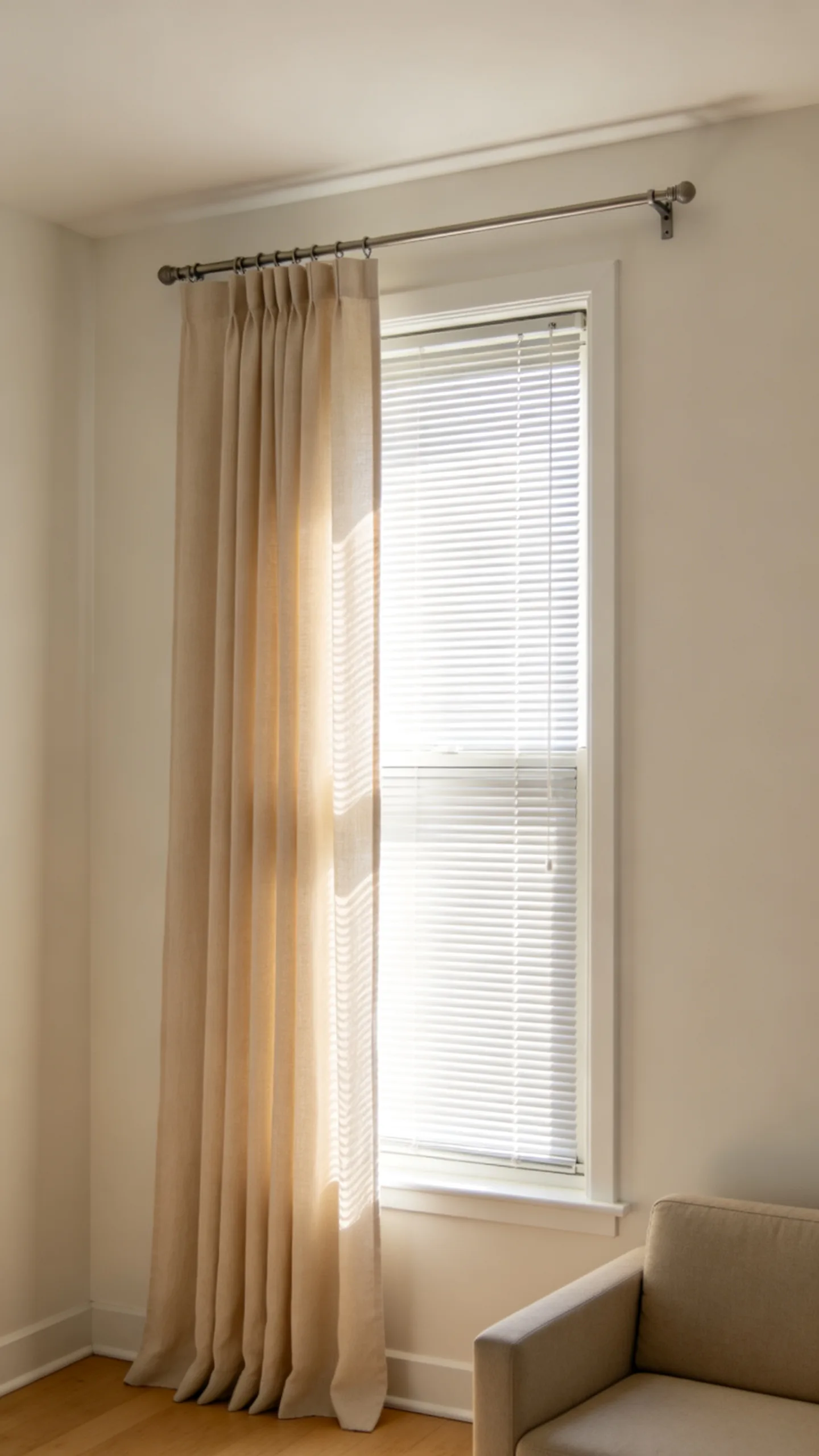
Install removable curtain-rod brackets or damage-minimizing hardware several inches above the window frame. Curtains that begin near the ceiling and extend to the floor draw the eye upward, making low apartment ceilings feel taller.
Use panels wide enough to sit mostly outside the glass when open so they do not block natural light. Affordable cotton, linen-look polyester, or IKEA-style curtain panels can soften blinds supplied by the landlord while adding privacy and color.
5. Use a Storage Ottoman Instead of a Coffee Table
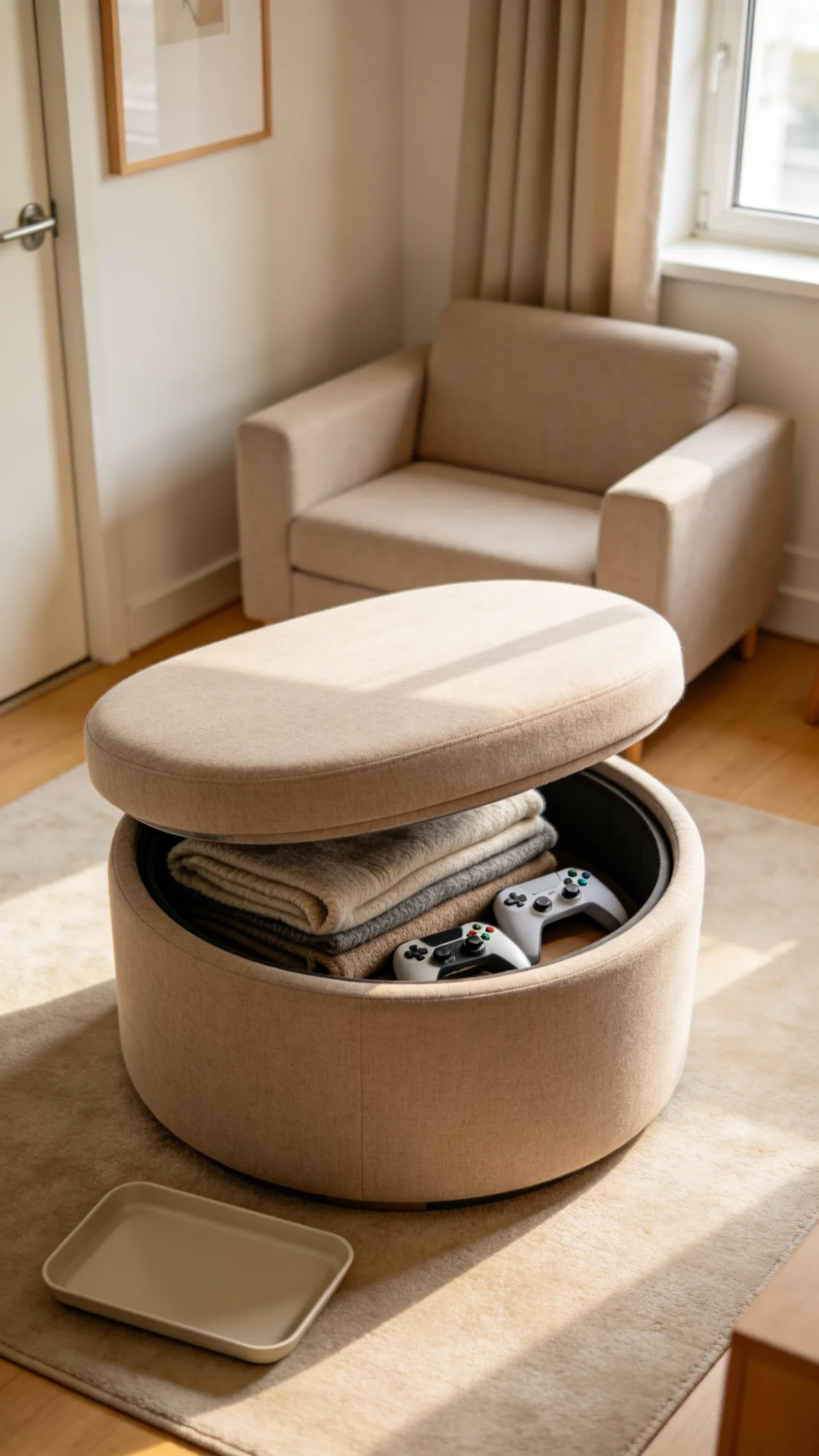
A storage ottoman can serve as a coffee table, extra seat, footrest, and hiding place for blankets or game controllers. This makes it particularly practical in a studio or narrow living room where every piece needs more than one function.
Choose a firm, flat-topped model and add a lightweight tray for drinks and candles. Rounded corners improve traffic flow around a tight seating arrangement, while a fabric that echoes the sofa or rug keeps the ottoman from looking bulky.
6. Build a Gallery Wall With Removable Picture Strips
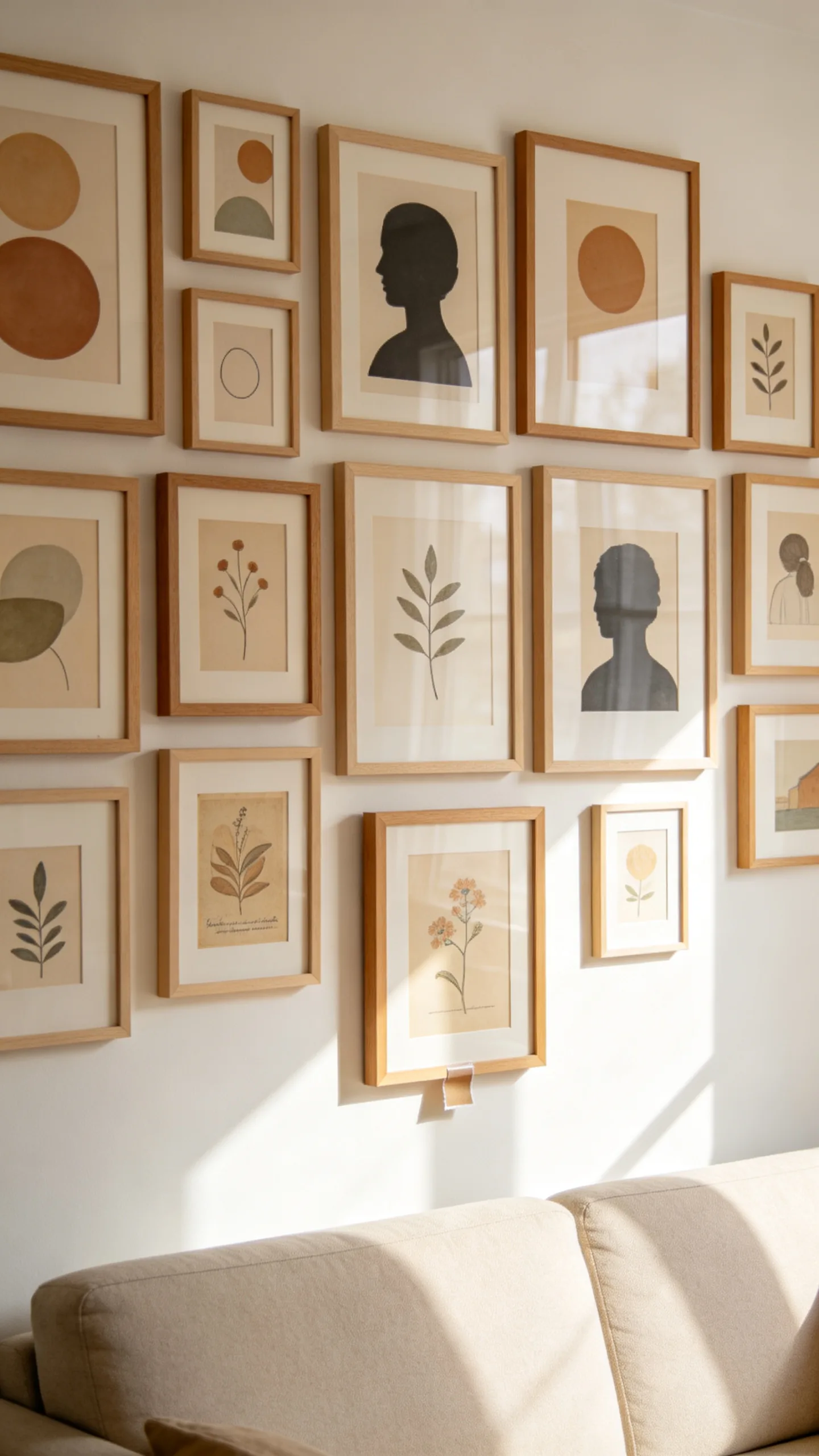
Create a renter-friendly gallery wall using lightweight frames and removable adhesive strips rated for their weight. Combine printable art, postcards, family photos, and thrifted illustrations to fill the wall above a sofa without investing in one oversized piece.
Arrange the frames on the floor first and keep two to three inches between them for a cohesive look. Repeating one frame color—such as black, natural wood, or white—allows inexpensive artwork to feel collected rather than cluttered.
7. Add Color Through Washable Pillow Covers
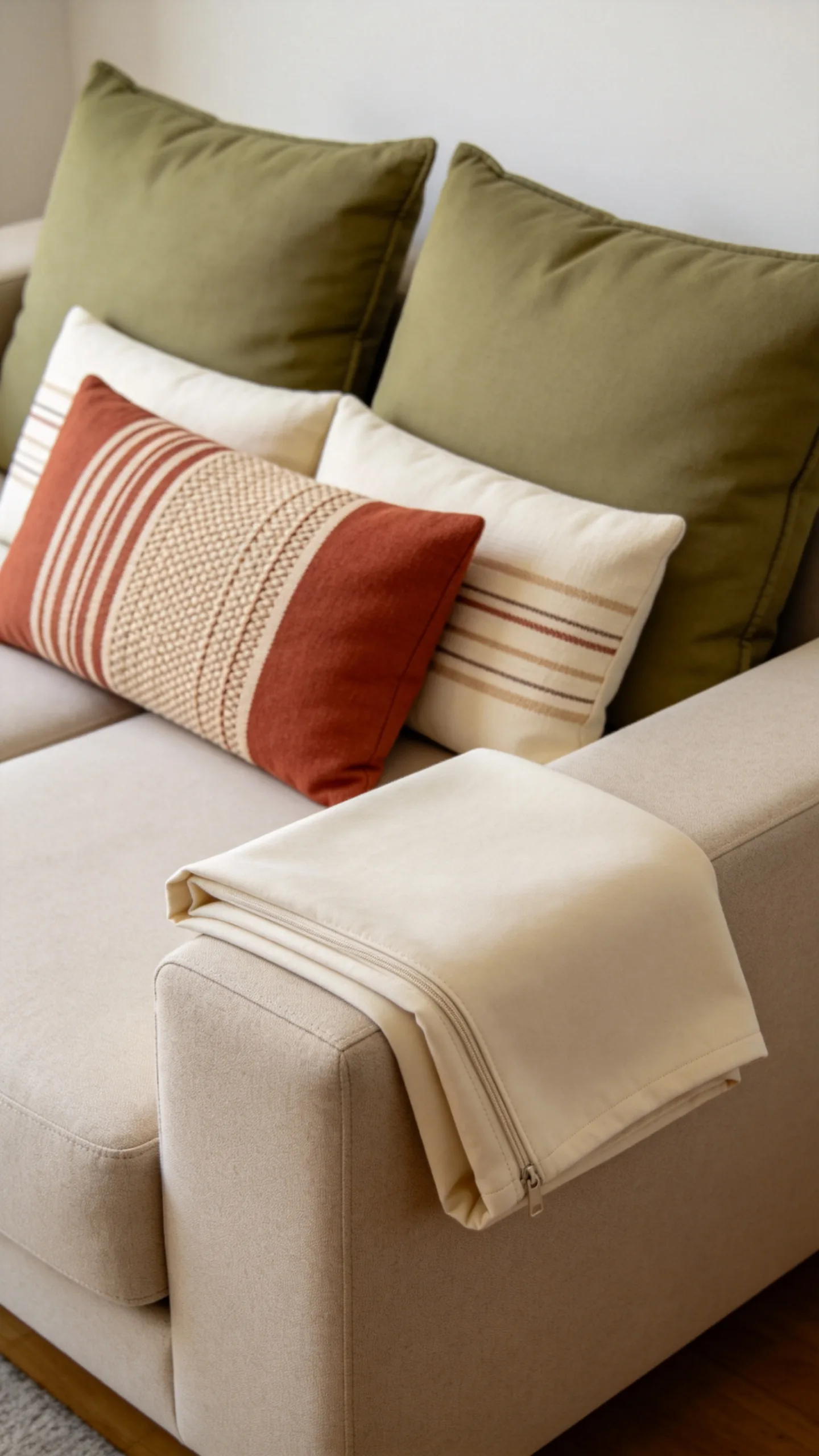
Pillow covers offer an inexpensive way to change the living room palette without replacing furniture. Start with two larger pillows at the sofa corners, then layer one or two smaller covers in a coordinating print, stripe, or textured fabric.
Stick to two or three main colors so a compact room does not feel visually crowded. Covers with zippers are easy to wash and store, and existing inserts can be reused whenever you want a seasonal update.
8. Place a Slim Console Behind the Sofa
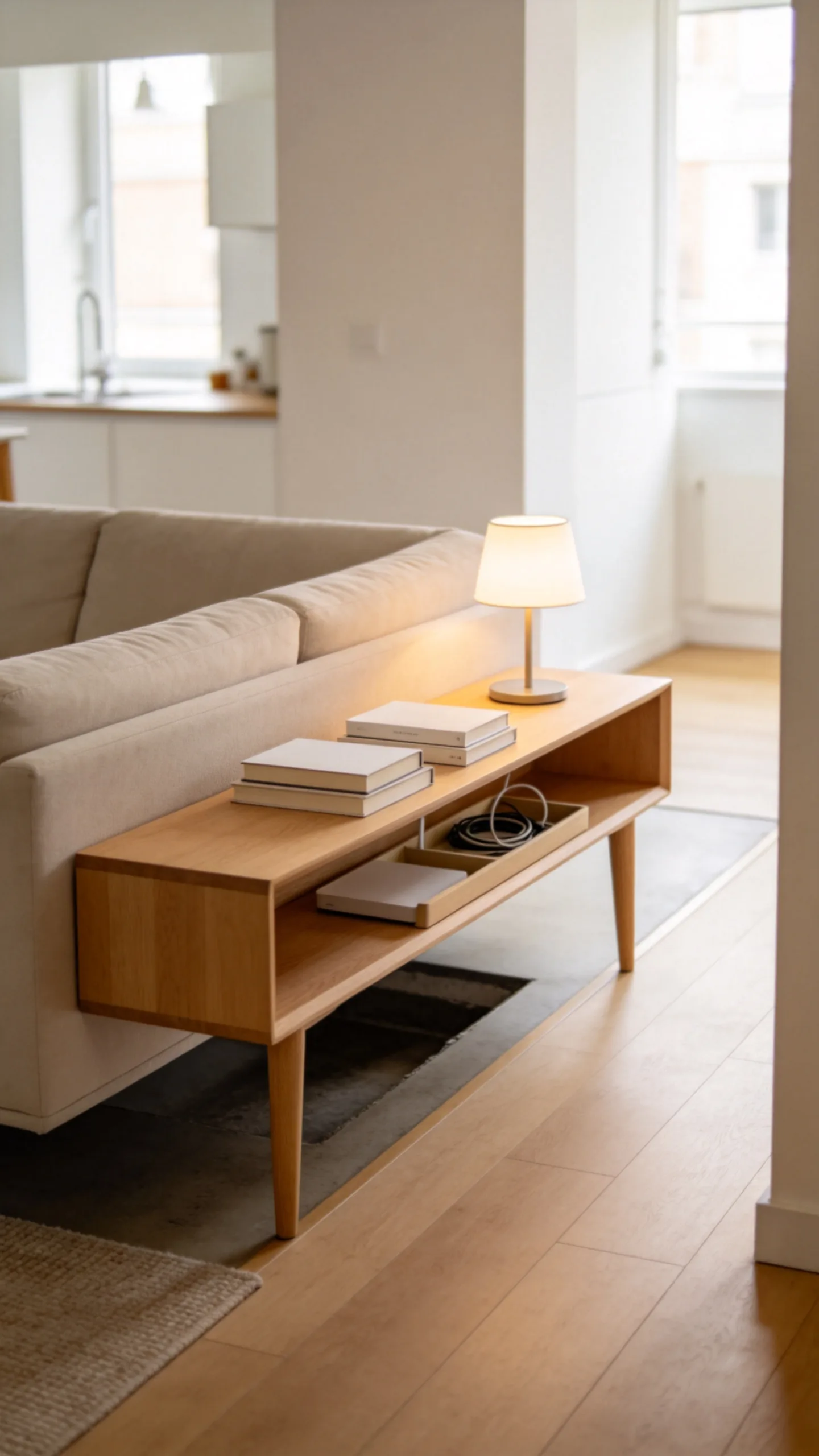
If the sofa floats away from the wall, place a narrow console behind it to define the seating area. A surface only 10 to 14 inches deep can hold a lamp, a charging tray, or a few books without consuming much floor space.
In a living room where the sofa must sit against a wall, use the console along an entry edge or beneath a window instead. Look for secondhand tables with open legs, since visible floor beneath the piece preserves sightlines and makes the room feel less crowded.
9. Turn a Bookcase Into a Flexible Room Divider
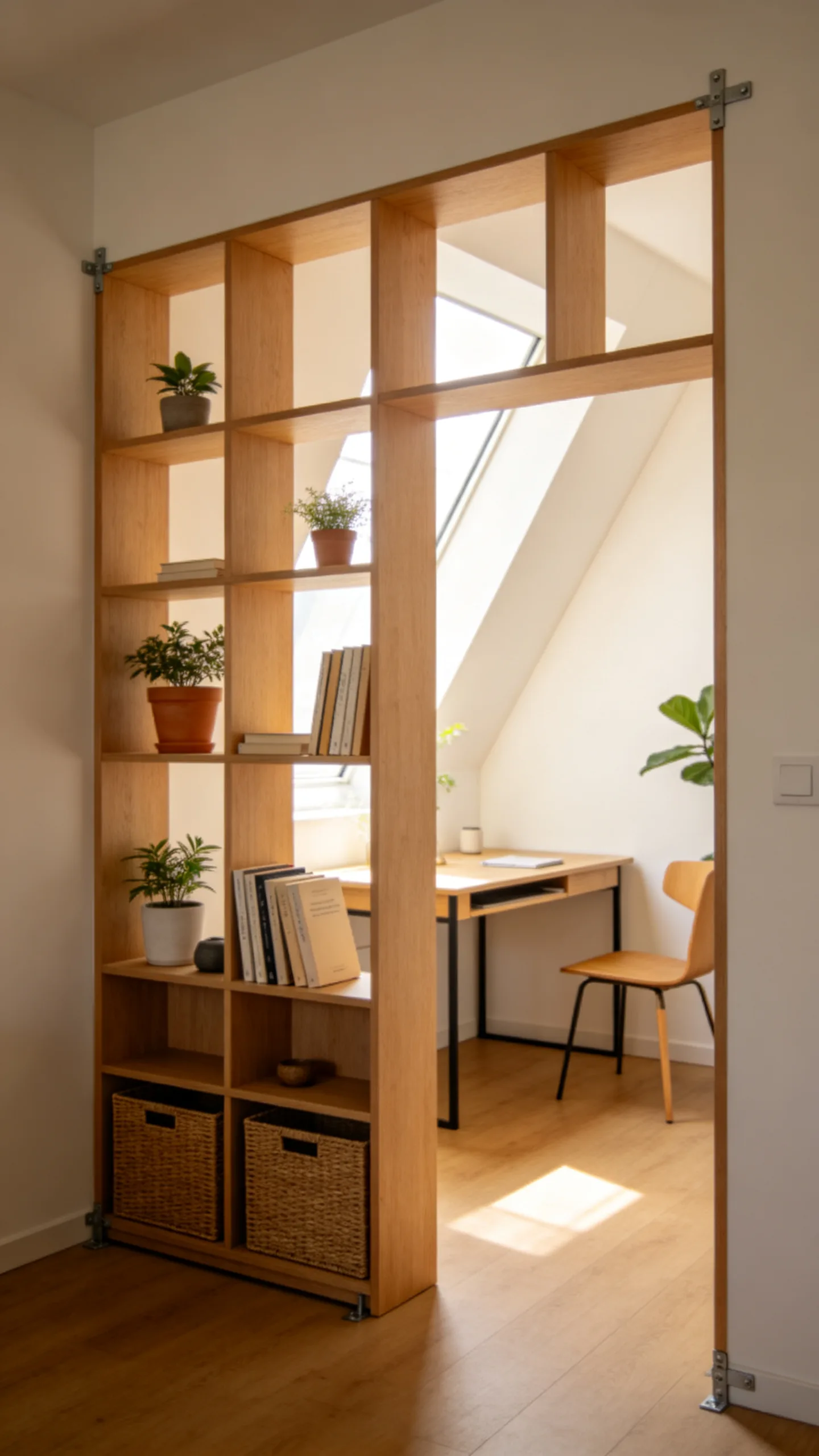
An open-backed bookcase can separate a living area from a dining nook, home office, or sleeping zone without constructing a wall. Position it perpendicular to a wall while leaving a comfortable walkway of roughly 30 to 36 inches where possible.
Style both sides because the shelf will be visible from multiple angles. Use baskets on lower shelves for hidden storage and leave some upper cubbies open so light can pass through. Secure the unit with an appropriate renter-friendly safety solution if tipping is a concern.
10. Lean an Oversized Mirror Against the Wall
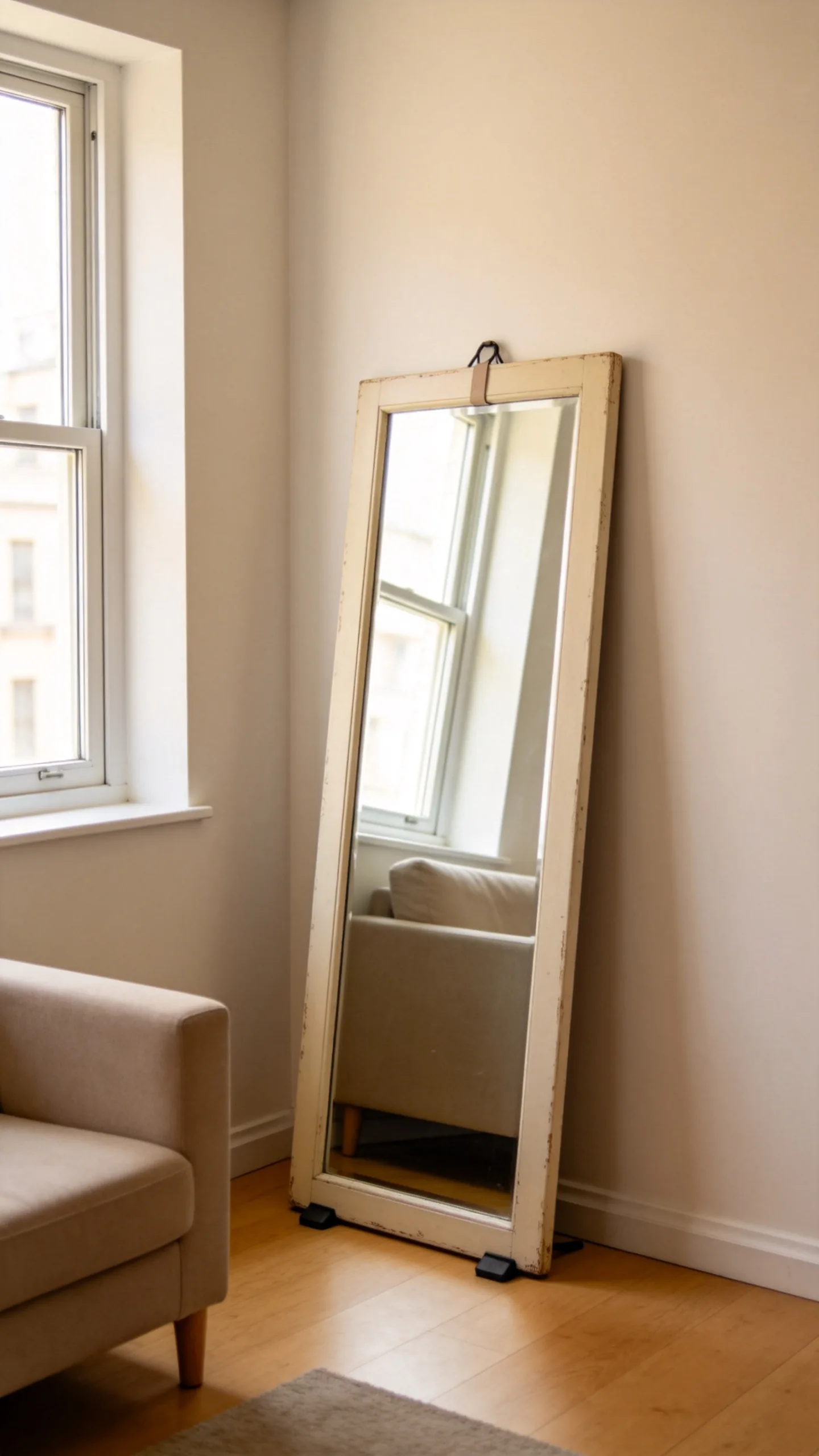
A tall mirror placed opposite or at an angle to a window reflects daylight and extends the room’s sightlines. This is especially effective in a narrow living room with only one source of natural light.
Find an affordable floor mirror through resale shops or local marketplaces, then use non-slip pads beneath it. Even when leaning, the mirror should be anchored with removable anti-tip hardware when permitted, particularly in homes with children or pets.
11. Style Empty Corners With a Floor Lamp and Plant
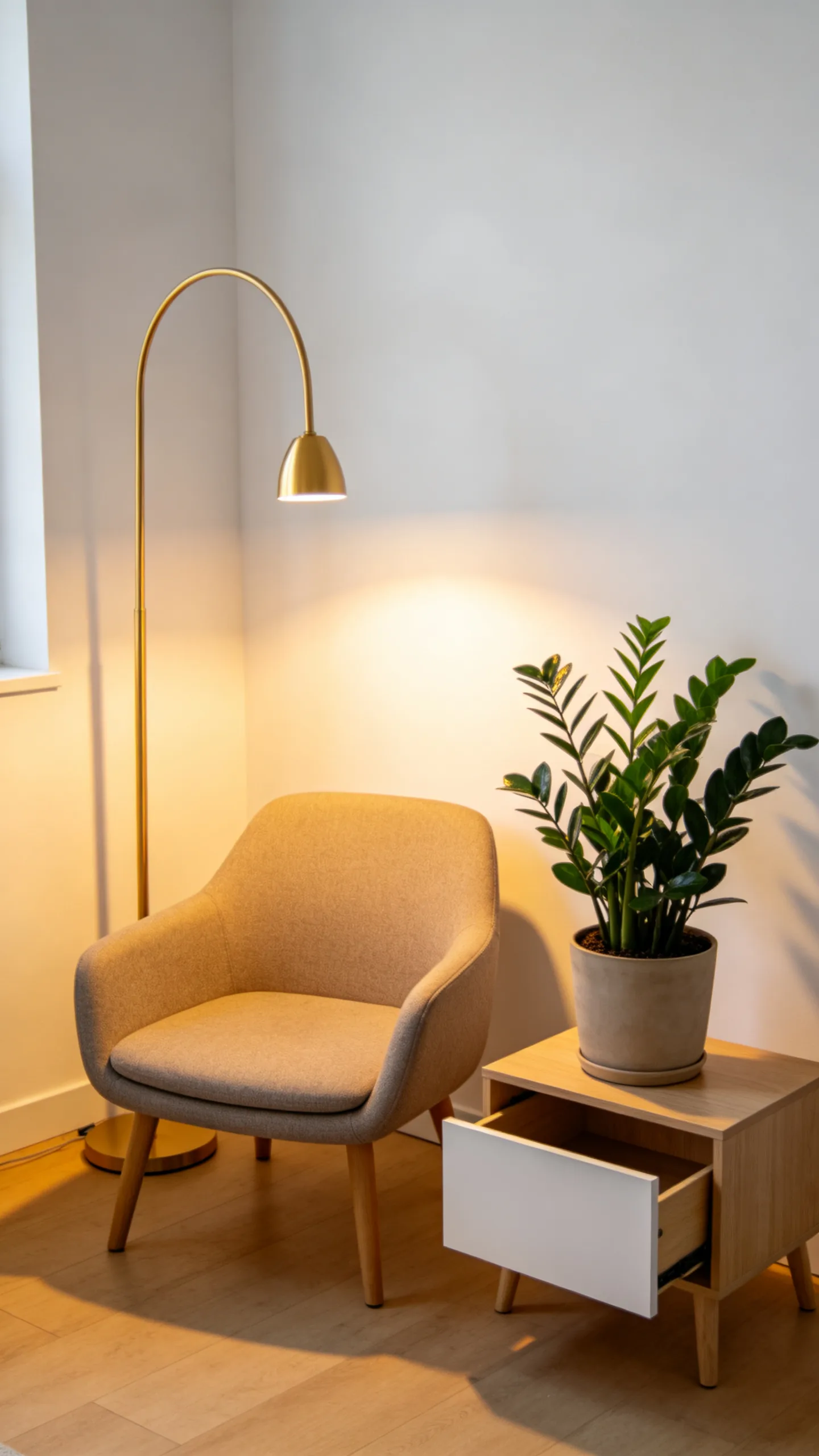
Turn an unused corner into a simple reading spot with a compact chair, narrow floor lamp, and plant. An arched or tripod lamp adds height without requiring ceiling wiring, while a planter introduces color against standard rental-white walls.
Choose a plant based on the room’s actual light level rather than appearance alone. Snake plants and ZZ plants tolerate lower light, while pothos can trail from a small wall-safe shelf. A realistic faux plant is another low-maintenance option for dark corners.
12. Hide Clutter in Matching Woven Baskets
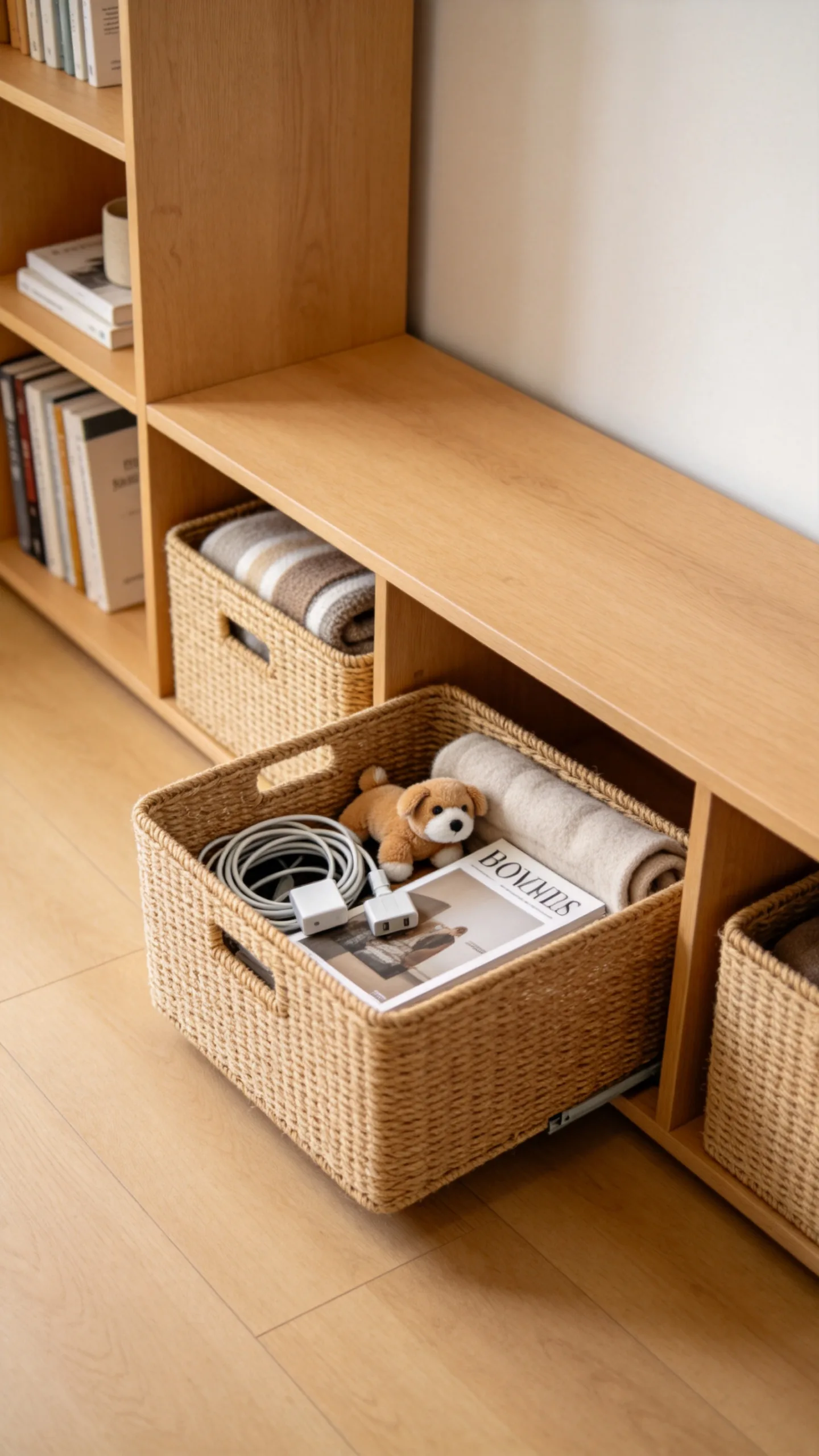
Use woven baskets to organize chargers, pet toys, magazines, and extra throws on open shelves or beneath a console. Repeating the same material across the room gives mismatched rental furniture a more coordinated appearance.
Measure each shelf opening before shopping so the baskets slide in easily. Soft-sided fabric or seagrass baskets are useful around delicate floors because they are less likely to scratch when moved. Labels inside the handles can keep shared spaces organized without adding visible clutter.
13. Upgrade Rental Blinds With a Fabric Layer
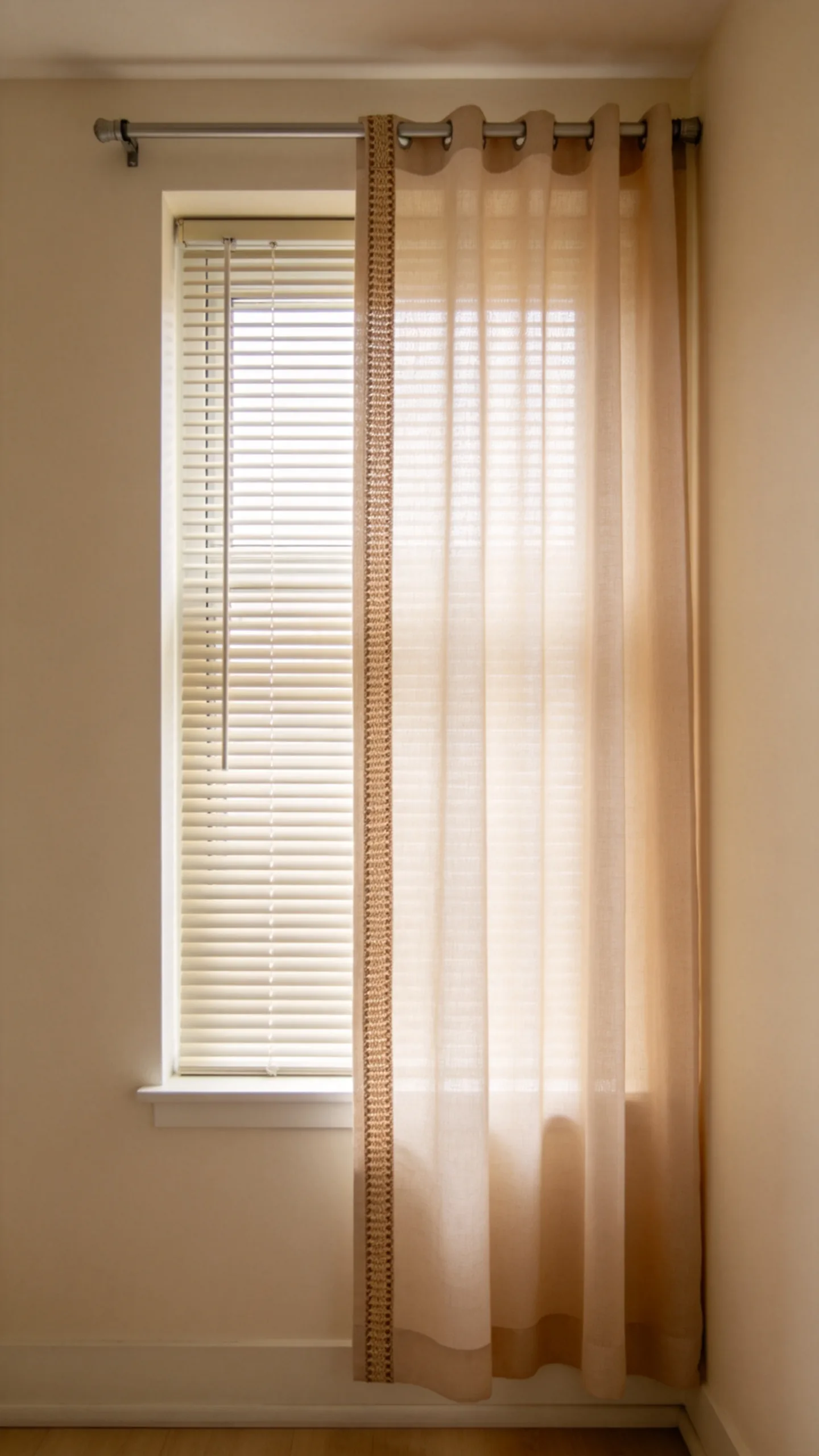
Instead of removing landlord-provided blinds, soften them with curtains or a tension-rod fabric panel. A translucent white or oatmeal fabric filters harsh daylight, while lined panels provide privacy for street-facing apartments.
Keep the window treatment close to the wall color if you want the room to appear wider. For more personality, use a narrow border or subtle vertical stripe rather than a large, high-contrast pattern that may dominate a small wall.
14. Refresh a Secondhand Coffee Table With Peel-and-Stick Film
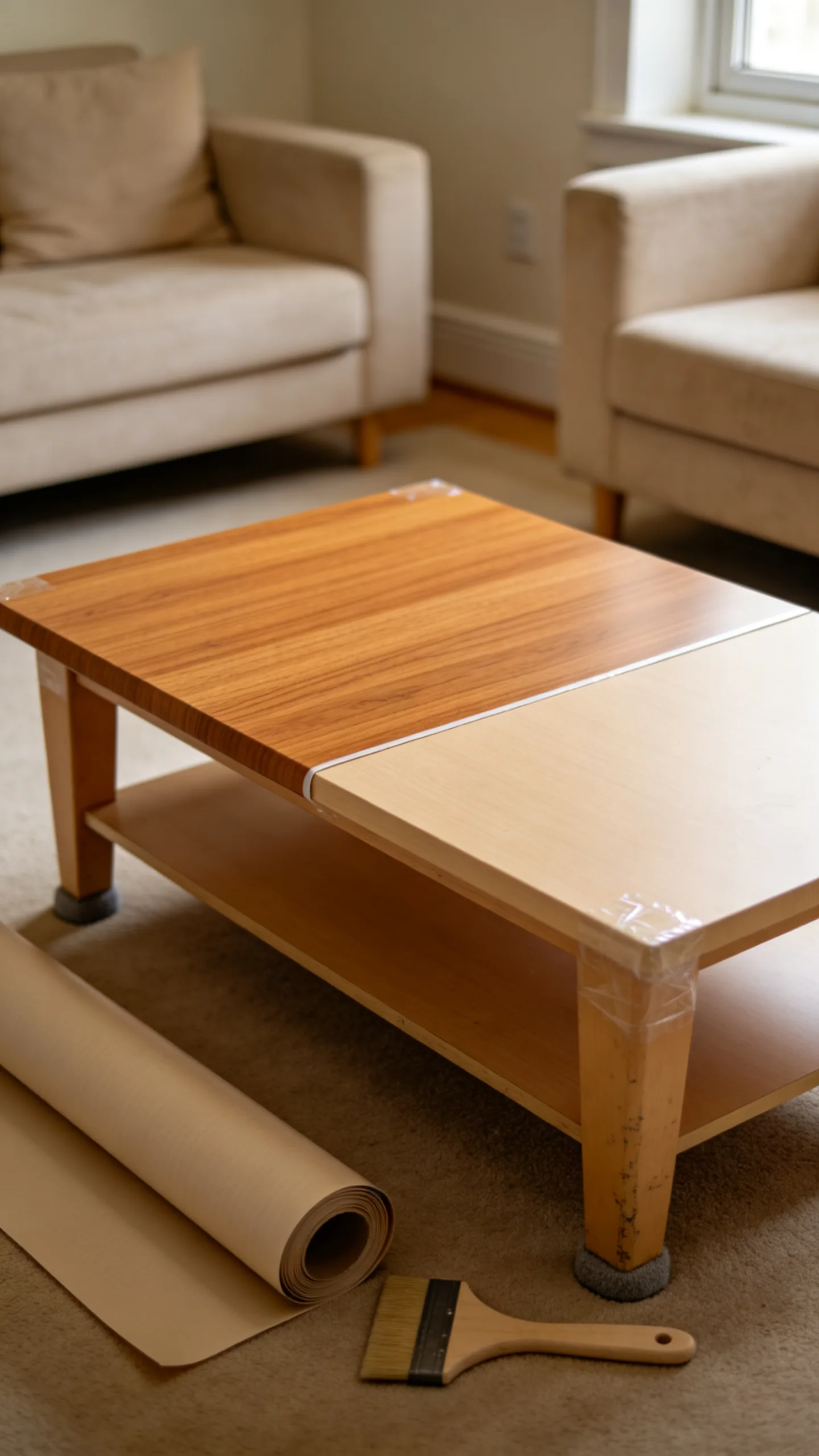
Give an inexpensive coffee table a new look with removable wood-grain, stone-look, or solid-color adhesive film. This works well on smooth laminate surfaces and can coordinate an older table with the living room’s current color palette.
Clean and dry the tabletop before applying the film, then use a smoothing tool to remove bubbles. Keep hot dishes and excess moisture away from the surface. If the table belongs to the landlord, test the material in a hidden area or use the treatment only on furniture you own.
15. Add Vertical Storage With a Ladder Shelf
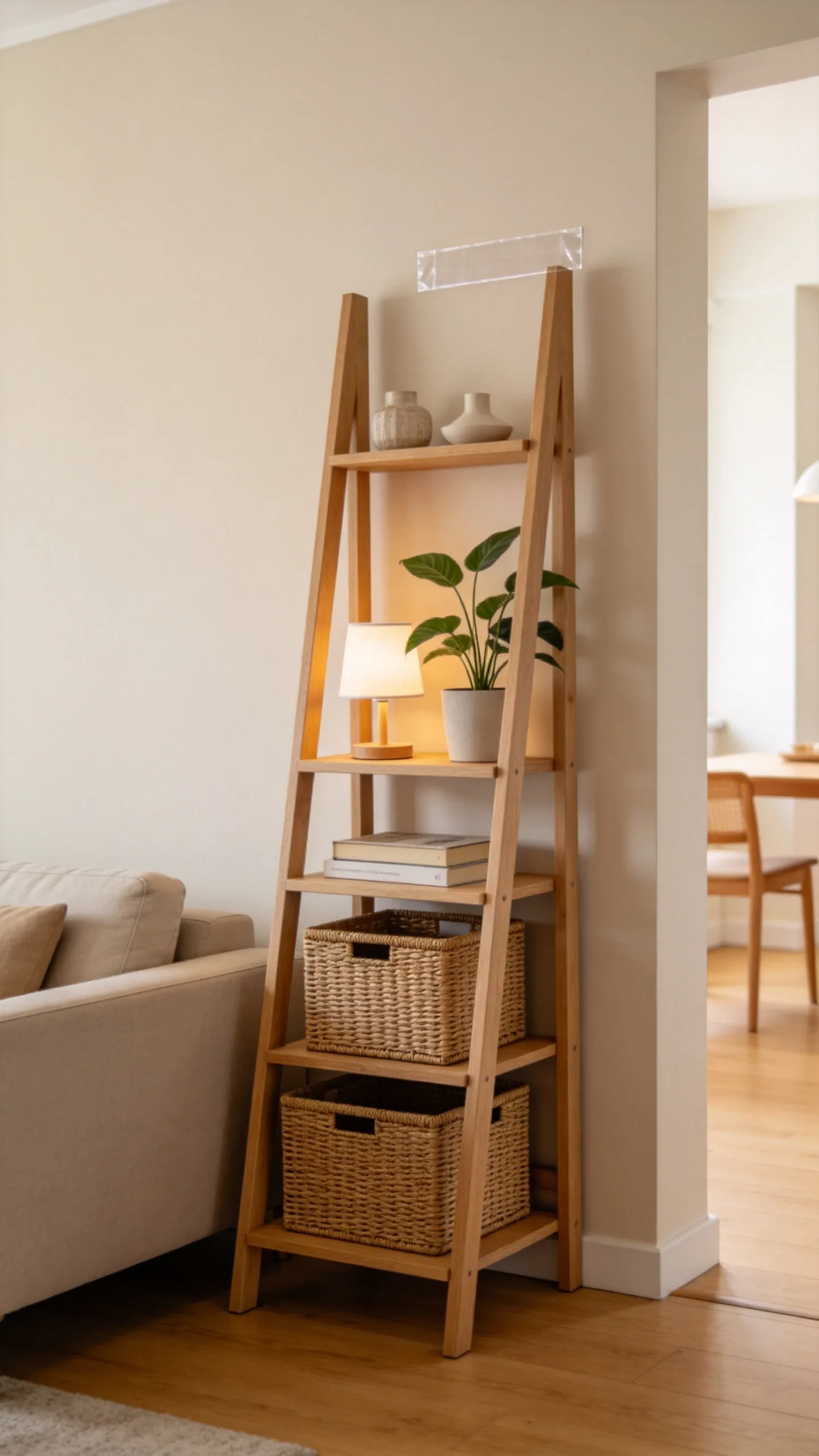
A ladder shelf uses wall height while maintaining a relatively small footprint. Place one beside the television, near the sofa, or in an awkward corner to hold books, plants, baskets, and a small lamp.
Keep heavier items on the lower shelves and lighter decor near the top. Leaving a little empty space between objects prevents the shelf from appearing overloaded. If the unit needs stabilization, follow its safety instructions and use the least invasive wall attachment allowed by your lease.
16. Create a Removable TV Wall Backdrop
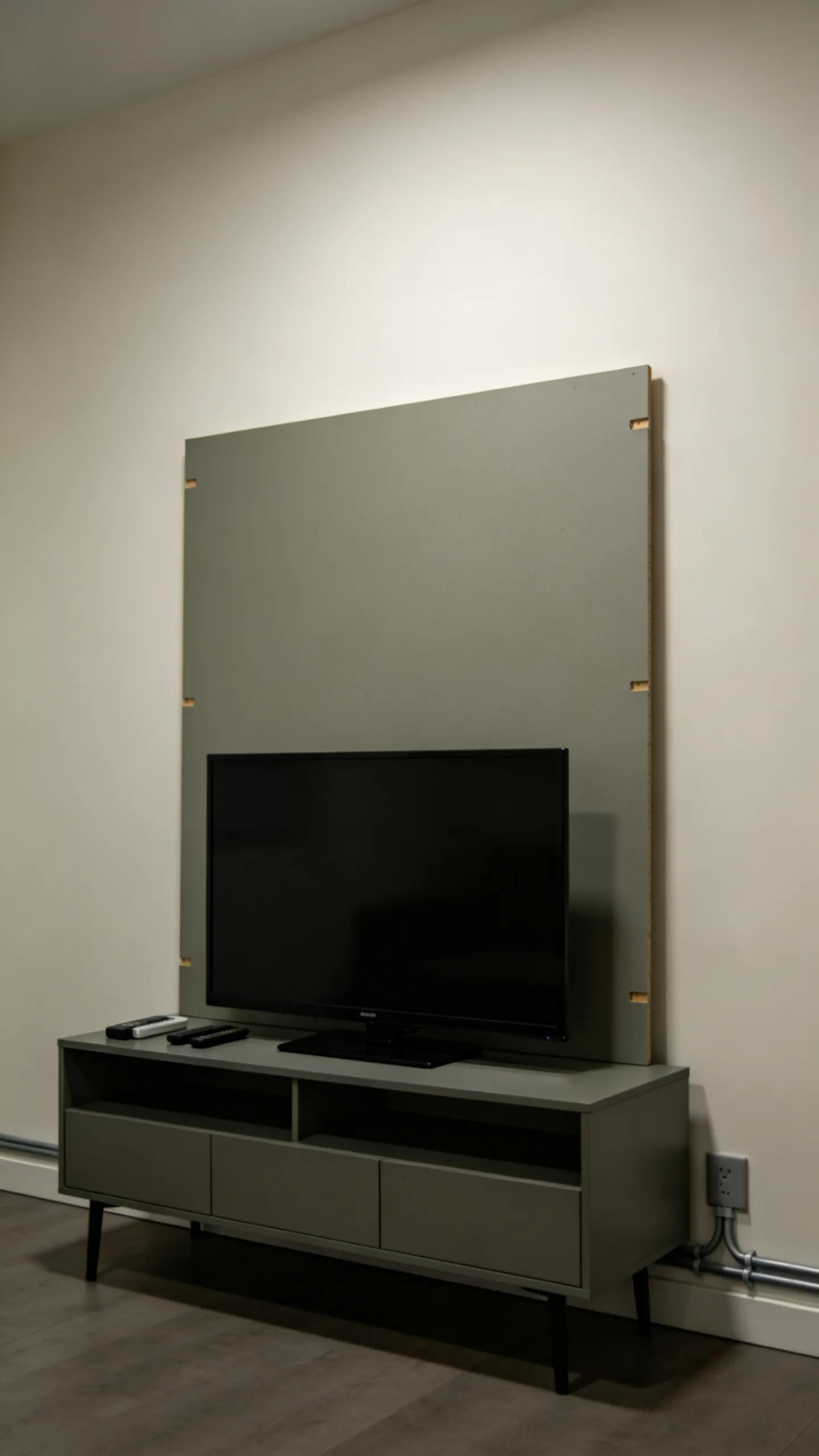
Make the television area look more finished by placing a large removable wallpaper panel or painted hardboard backdrop behind the media console. Applying the finish to a separate panel avoids altering the rental wall and gives the television a defined visual zone.
Choose a matte, low-contrast finish to reduce glare and visual competition with the screen. Keep the console wider than the television when possible, and hide cords in a removable raceway painted to match the wall.
17. Float Lightweight Shelves Without Permanent Built-Ins
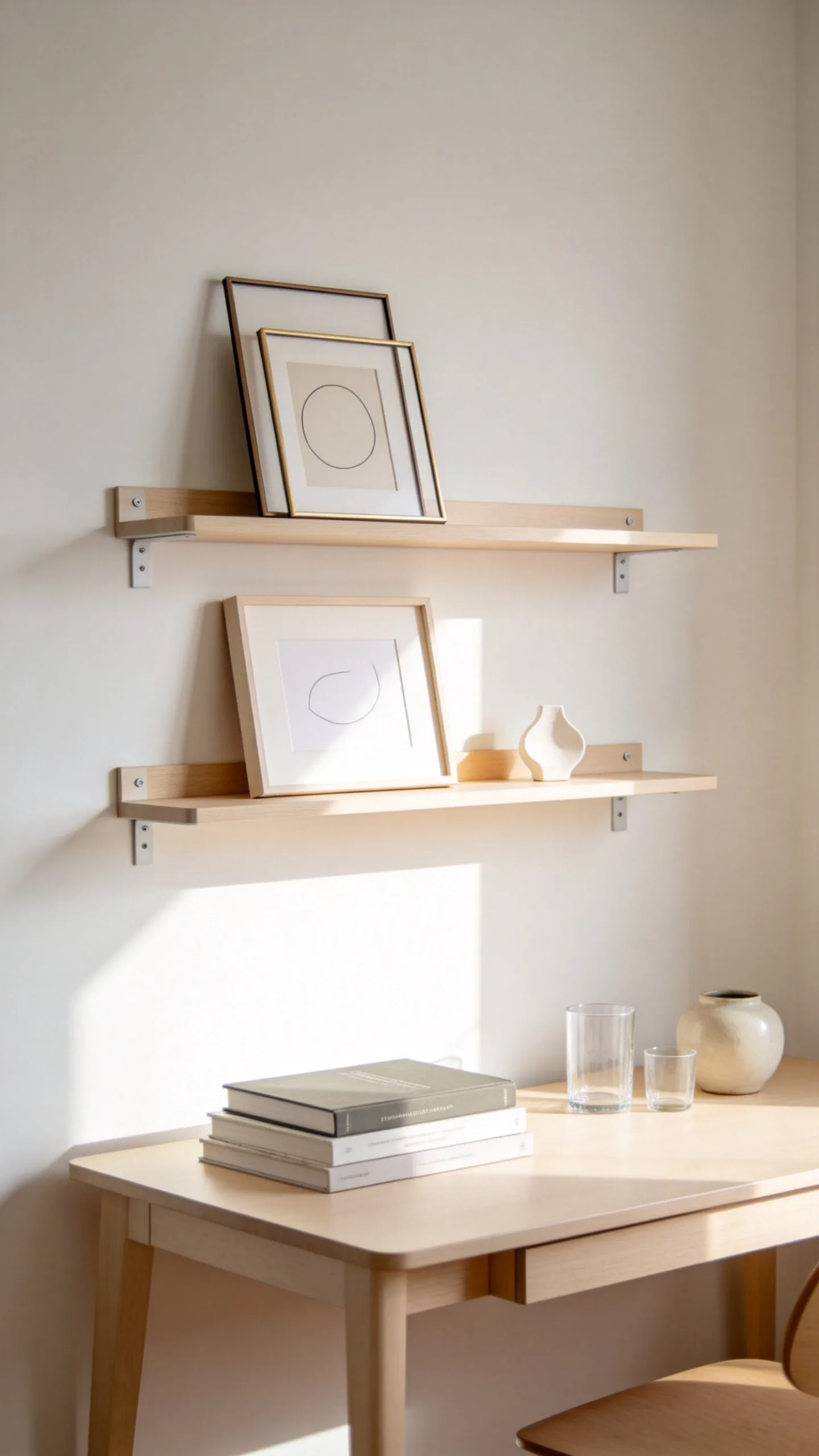
Lightweight ledges can display small frames, paper art, and decorative objects without the cost of built-in shelving. Use renter-approved mounting methods and stay within the stated weight limit; adhesive ledges should hold only very light items.
Install two short ledges above a desk or one long ledge behind the sofa. Overlapping framed prints creates depth while making it easy to rotate artwork. Keep heavy ceramics, glass, and large books on freestanding furniture instead.
18. Use Nesting Tables for Flexible Surface Space
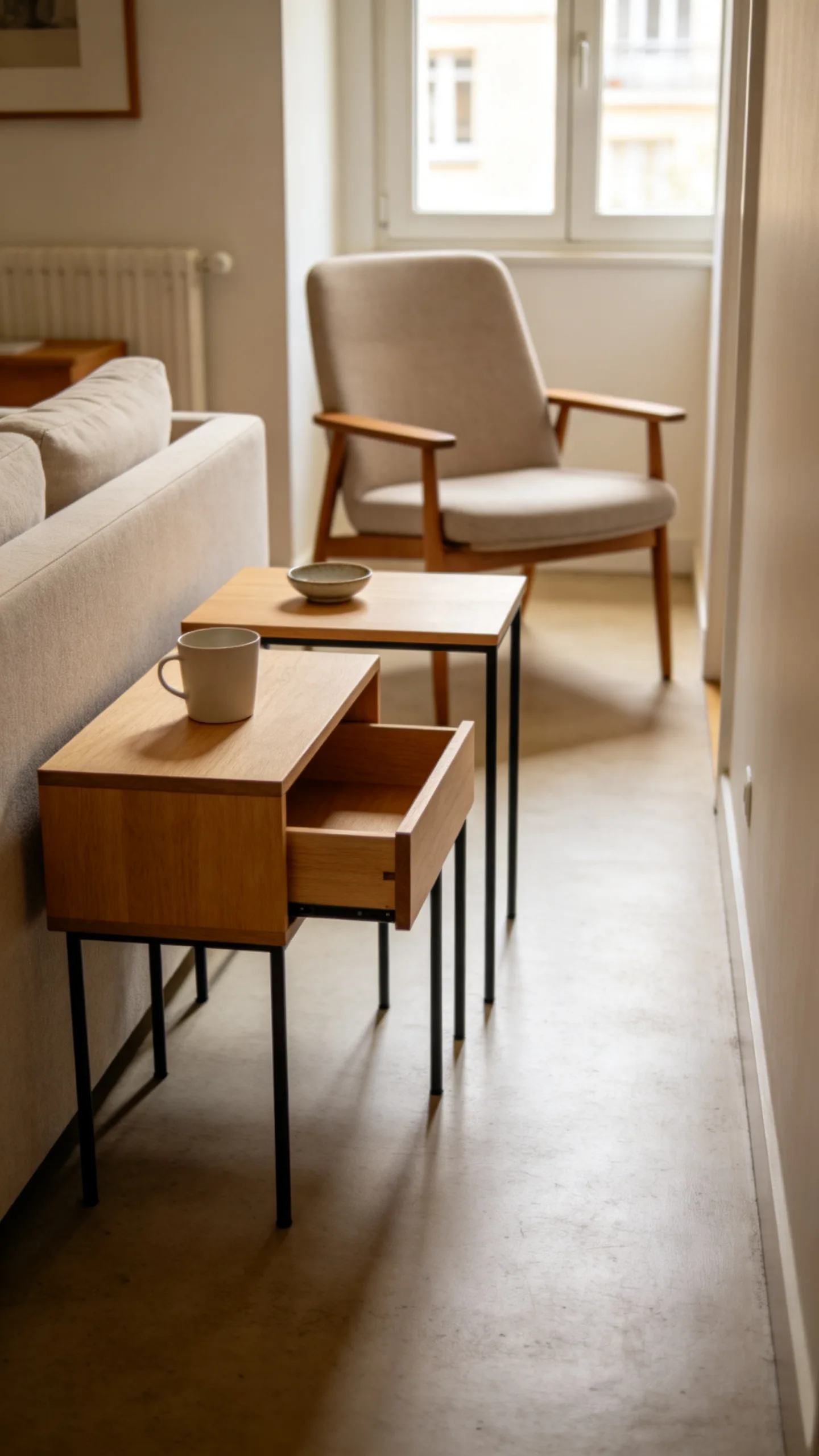
Nesting tables provide multiple surfaces when guests visit and tuck together when more floor space is needed. They are a smart alternative to bulky end tables in a narrow apartment living room.
Look for tables with slim metal legs or open wood bases so the floor remains visible. Position the set beside the sofa for daily use, then separate the smaller tables near chairs when serving drinks. Their portability also makes it easier to adjust the layout for entertaining or exercising.
19. Cover a Worn Sofa With a Tailored Slipcover
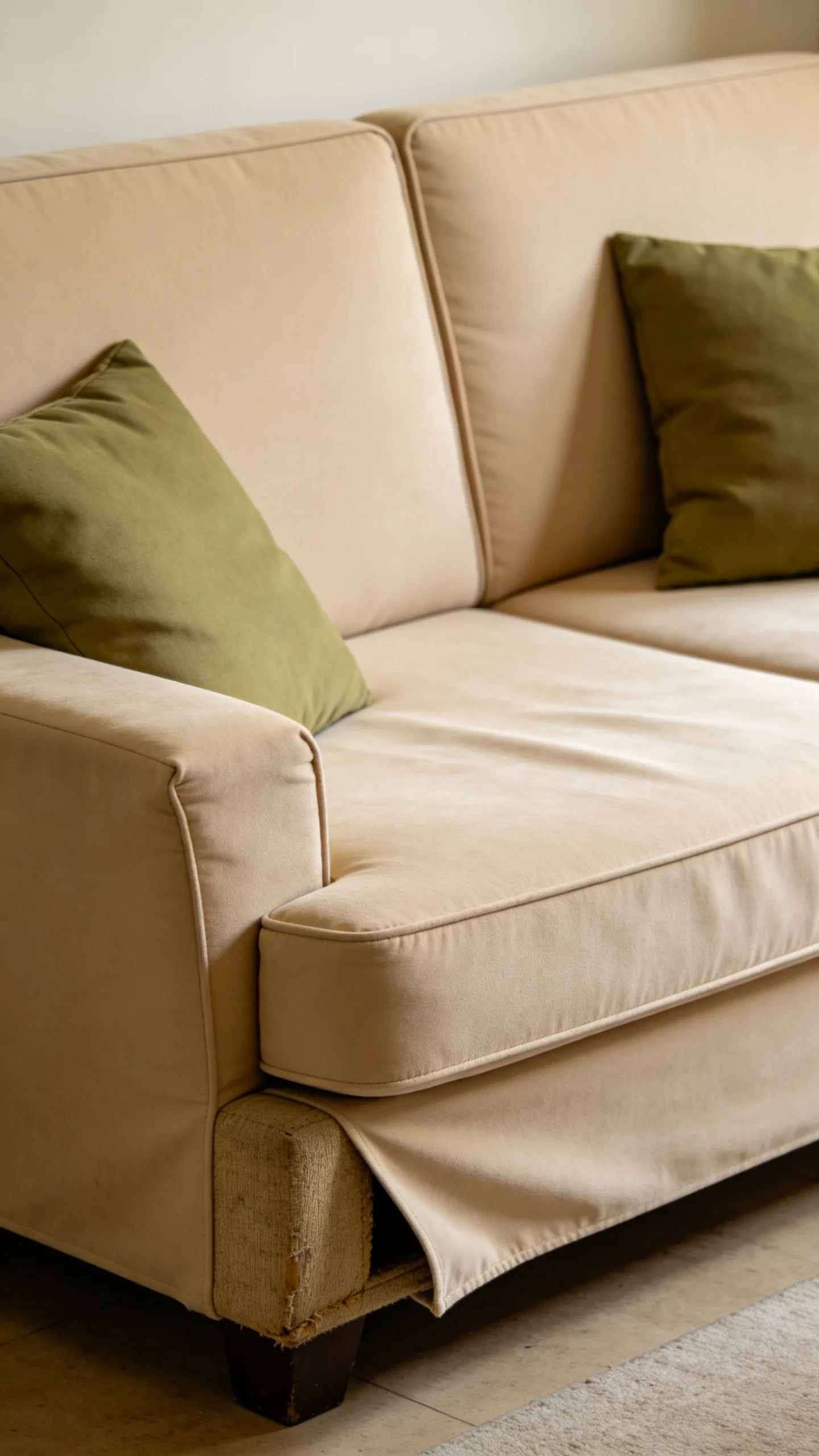
A washable slipcover can refresh a dated sofa without the cost of replacement. Choose a fitted design with separate cushion covers if available, since it will look neater and shift less than a loose sheet-style cover.
Neutral shades such as warm gray, oatmeal, or soft olive create a flexible base for inexpensive pillows and throws. Tuck non-slip foam rods into the creases to secure extra fabric, and measure the sofa carefully before ordering to avoid a sagging fit.
20. Make a Temporary Mantel With a Freestanding Console
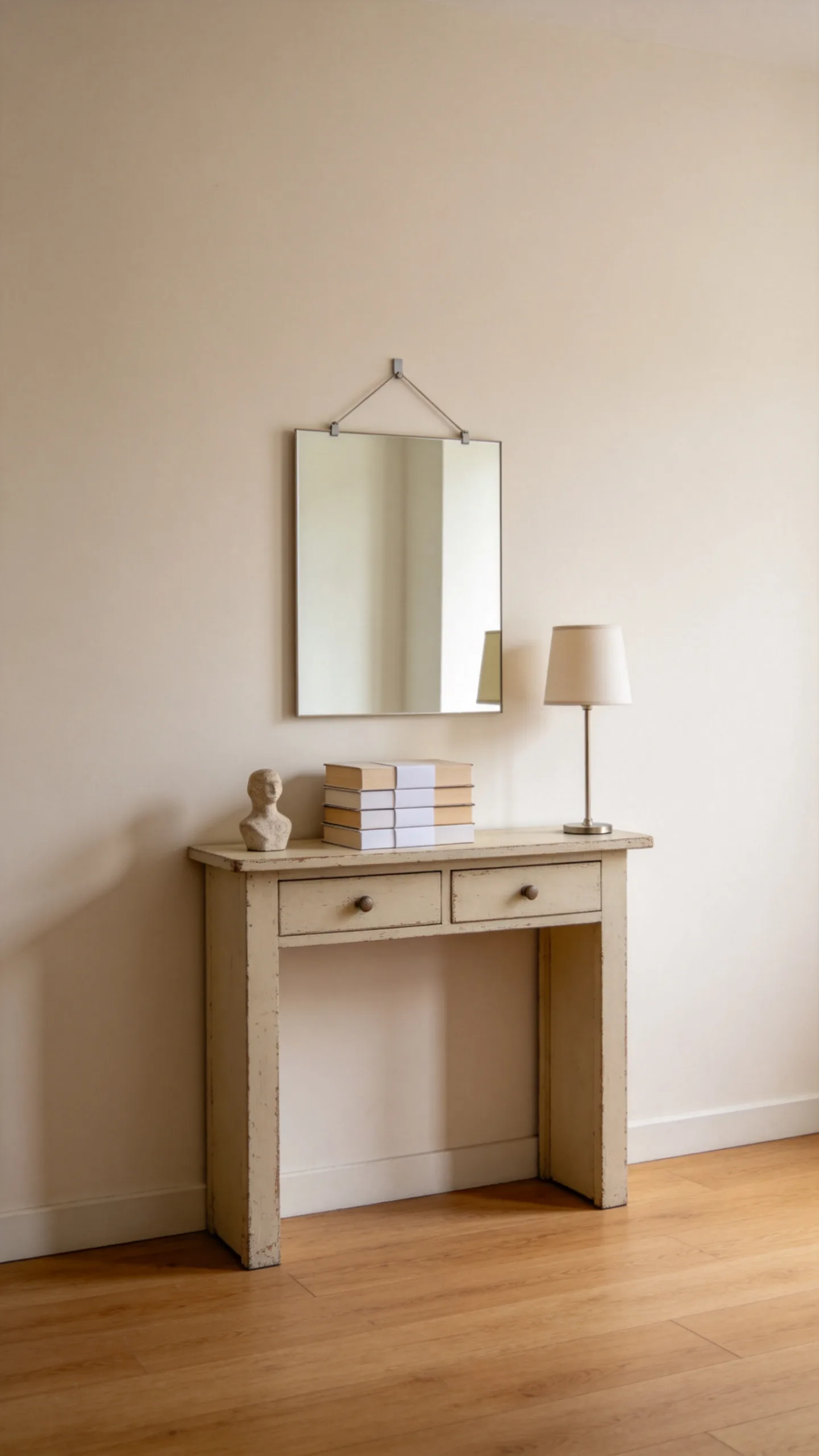
Create the look of a mantel by styling a narrow console against a blank wall. Hang a lightweight mirror or removable artwork above it, then add a small lamp, stacked books, and one sculptural object to establish a focal point.
Avoid filling every inch of the surface. A grouped arrangement on one side and a taller object on the other creates balance without clutter. The console can also provide concealed storage if you select a model with drawers or cabinet doors.
21. Rearrange Furniture to Improve Traffic Flow
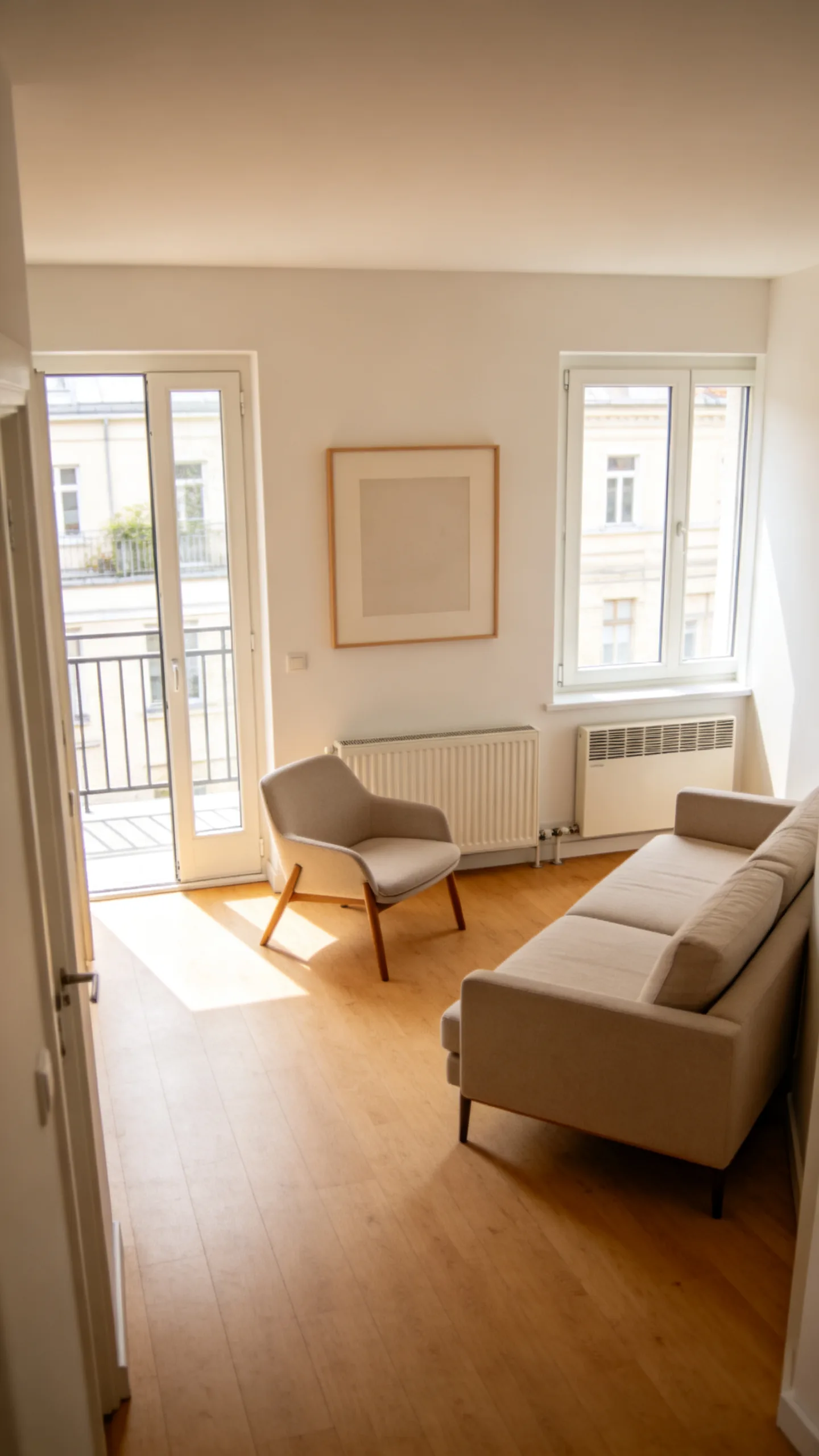
Before buying more decor, test a new layout using the furniture you already own. Pull the sofa a few inches away from the wall, angle a chair toward it, and keep the main walkway free from the entrance to the next room. Clear circulation often makes an apartment feel larger at no cost.
Avoid blocking windows, balcony doors, heaters, or air vents. In a small living room, choose one primary focal point—such as the television, a window, or an art wall—and orient the seating toward it. Removing one unnecessary side table or oversized chair can improve sightlines more than adding another decorative item.

From the editors
Decor Compass Editorial Team
We turn practical home research into clear, useful room-by-room ideas.